
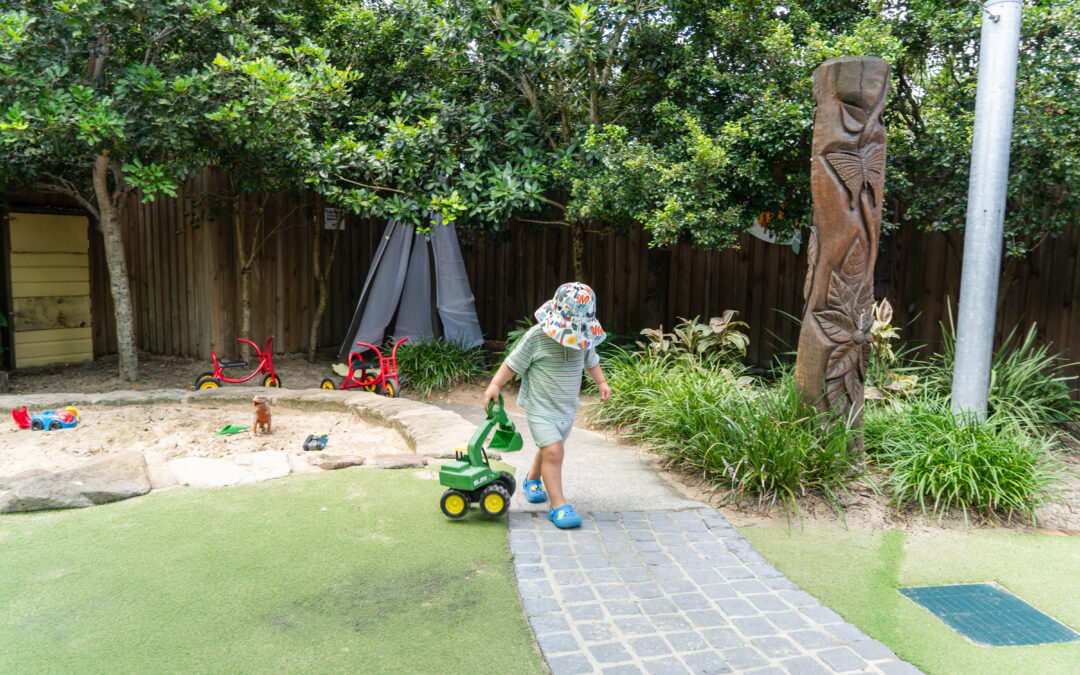
At Kenmore Hills Early Learning Centre, we believe in the power of nature-based education to foster children’s development across multiple domains. Our gardening programs exemplify how hands-on outdoor experiences can teach responsibility, scientific thinking, and environmental stewardship while aligning with Queensland’s Early Years Learning Framework (EYLF).
Located in the heart of Queensland’s Kenmore Hills community, our centre embraces a “Wildhood Warrior Program” that combines nurture with nature, creating meaningful learning opportunities through gardening activities that engage children from toddlers to school-age learners.
Why Gardening Matters in Early Childhood Education
Gardening with kids offers a unique intersection of science education, responsibility development, and environmental awareness. Research consistently shows that children who participate in gardening activities demonstrate improved academic performance, enhanced social skills, and stronger connections to the natural world.
The Science Behind Garden Learning
When children engage in gardening activities, they naturally encounter fundamental scientific concepts:
Plant Biology and Life Cycles: Children observe seed germination, plant growth, flowering, and fruit development, gaining hands-on understanding of life processes that align with Queensland’s science curriculum foundations.
Environmental Science: Through composting, water conservation, and understanding ecosystem relationships, children develop environmental literacy that extends far beyond the garden bed.
Physics and Chemistry: Concepts like soil composition, nutrient cycles, photosynthesis, and weather patterns become accessible through direct observation and experimentation.
Mathematics Integration: Measuring plant growth, counting seeds, calculating watering schedules, and tracking harvest quantities provide authentic mathematics learning opportunities.
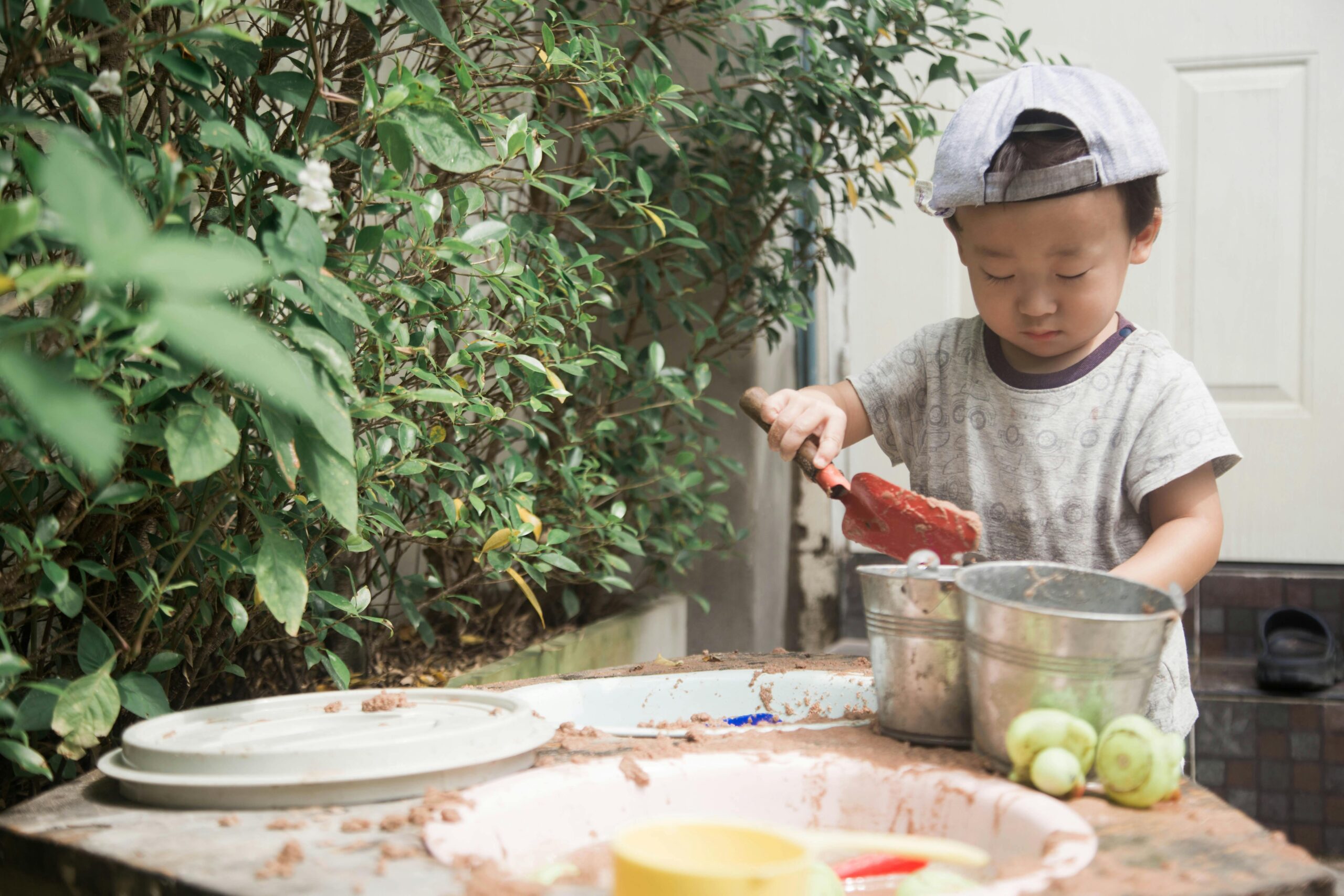
Building Responsibility Through Garden Care
Age-Appropriate Responsibilities for Different Developmental Stages
Toddlers (12-24 months):
- Watering plants with small watering cans
- Feeling different textures (smooth seeds, rough bark, soft petals)
- Simple observation activities
- Helping carry lightweight garden tools
Preschoolers (2-4 years):
- Planting seeds and seedlings
- Daily plant care routines
- Harvesting vegetables and fruits
- Basic composting activities
- Recording plant growth through drawings
School-Age Children (5+ years):
- Planning garden layouts
- Research different plant varieties
- Creating plant care schedules
- Teaching younger children
- Advanced composting and sustainability practices
Developing Ownership and Accountability
Assigning each child their own garden plot or designated plants creates a sense of ownership that naturally develops responsibility. Children learn that their plants depend on consistent care, fostering accountability that transfers to other areas of life.
Daily Responsibility Routines:
- Morning plant checks
- Watering schedules
- Weed identification and removal
- Pest monitoring
- Harvest timing decisions
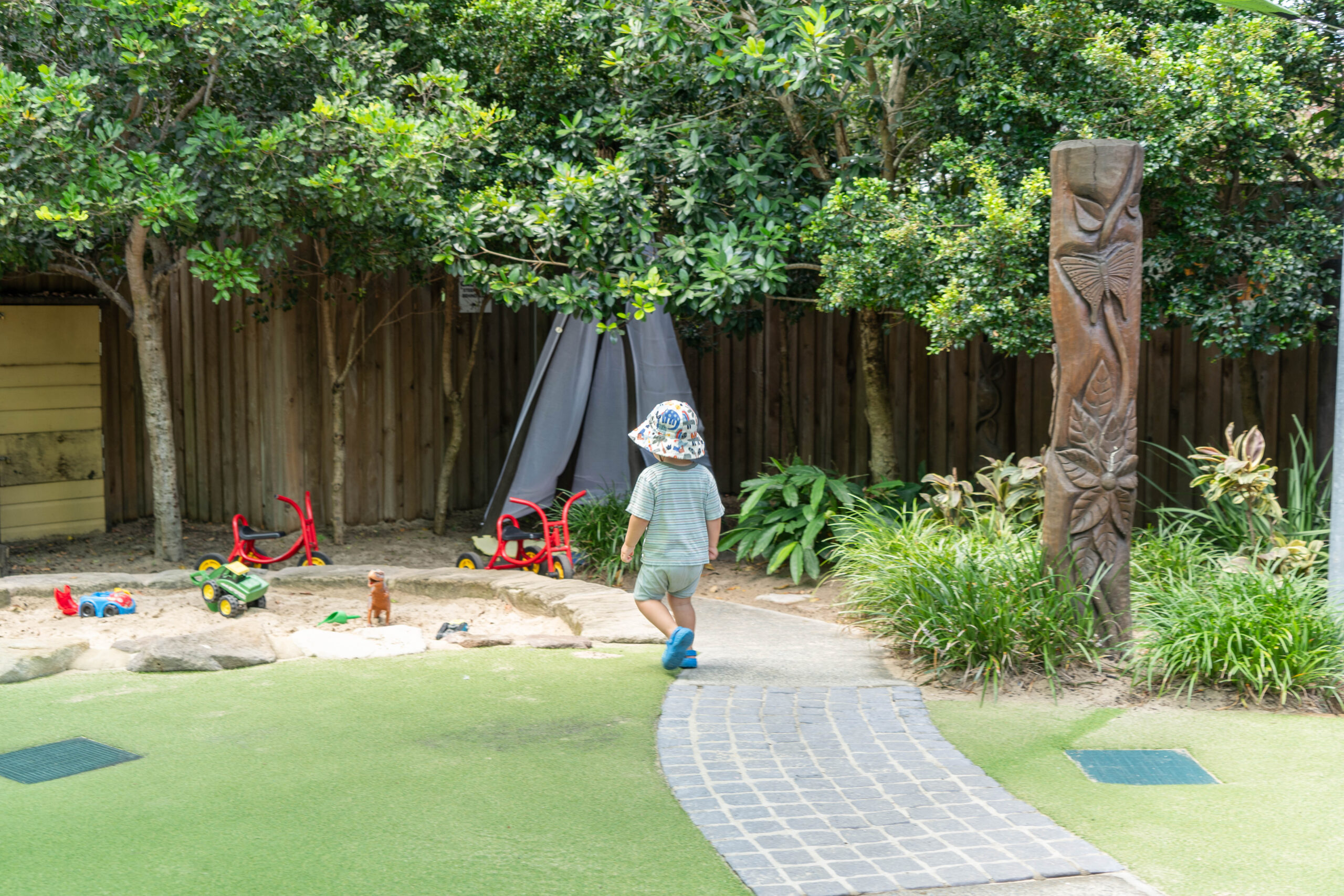
Scientific Learning Opportunities in the Garden
Observation and Documentation Skills
Encouraging children to maintain garden journals develops crucial scientific skills:
Drawing and Recording: Children document plant changes through sketches, measurements, and written observations, developing both artistic and scientific documentation skills.
Hypothesis Formation: “What happens if we plant seeds deeper?” or “Will plants grow faster with more water?” These natural questions lead to child-directed experiments.
Data Collection: Measuring plant height, counting leaves, tracking germination rates, and recording weather conditions introduce children to scientific methodology.
Hands-On Experimentation
Gardens provide endless opportunities for child-led scientific exploration:
Soil Testing: Children can examine soil pH, test water retention, and compare different soil types, learning about plant nutrition and growing conditions.
Companion Planting: Experimenting with plant combinations teaches ecological relationships and natural pest management.
Weather Monitoring: Understanding how weather affects plant growth introduces meteorology and climate science concepts.
Integrating Queensland’s Educational Frameworks
Early Years Learning Framework (EYLF) Alignment
The EYLF V2.0 2022 provides the foundation for quality early childhood education across Australia, and gardening activities support all five learning outcomes:
Learning Outcome 1: Children have a strong sense of identity
- Developing confidence through successful plant care
- Cultural connections through traditional plants and foods
- Pride in contributing to the centre’s garden community
Learning Outcome 2: Children are connected with and contribute to their world
- Understanding environmental interdependence
- Developing empathy for living things
- Contributing to sustainable practices
Learning Outcome 3: Children have a strong sense of wellbeing
- Physical activity through garden work
- Stress reduction through nature connection
- Healthy eating through fresh produce
Learning Outcome 4: Children are confident and involved learners
- Problem-solving through garden challenges
- Persistence in long-term plant care
- Transfer of learning across curriculum areas
Learning Outcome 5: Children are effective communicators
- Sharing garden discoveries with peers
- Using scientific vocabulary
- Recording observations through multiple modalities
Queensland Kindergarten Learning Guidelines (QKLG) Integration
Queensland’s kindergarten curriculum aligns with the EYLF to ensure high-quality early education, and gardening activities support key learning areas:
Science and Technology:
- Biological sciences concepts
- Scientific inquiry skills
- Technology use in monitoring and documentation
Mathematics:
- Measurement and data collection
- Pattern recognition in plant growth
- Problem-solving through resource allocation
Language and Literacy:
- Scientific vocabulary development
- Descriptive language through plant observations
- Following and creating procedural texts
Creating Successful Gardening Programs at Early Learning Centres
Essential Garden Setup Considerations
Child-Accessible Design:
- Raised beds at appropriate heights
- Clear pathways for mobility equipment
- Secure storage for tools and materials
- Weather protection options
Safety Considerations:
- Non-toxic plants only
- Age-appropriate tools
- Proper hand-washing stations
- Clear boundaries and supervision zones
Educational Infrastructure:
- Weather monitoring station
- Composting area
- Seed starting station
- Documentation and display areas
Seasonal Programming Ideas
Spring (September-November):
- Seed starting and transplanting
- Soil preparation and improvement
- Planning summer crops
- Butterfly garden establishment
Summer (December-February):
- Daily watering routines
- Pest identification and management
- Continuous harvesting
- Heat protection strategies
Autumn (March-May):
- Harvest festivals and cooking activities
- Seed saving for next year
- Composting fallen leaves
- Cool-season crop planting
Winter (June-August):
- Indoor herb gardens
- Planning next year’s garden
- Maintaining winter vegetables
- Garden tool maintenance
Connecting Families and Community
Parent Engagement Strategies
Family Garden Days: Monthly weekend sessions where families work together in the centre’s garden, strengthening home-school connections and extending learning beyond centre hours.
Take-Home Projects: Children can start seedlings at the centre and take them home to continue caring for them, creating conversation opportunities and shared responsibility between families and educators.
Recipe Sharing: When children harvest vegetables, sharing simple recipes with families encourages healthy eating and celebrates the garden’s productivity.
Community Partnerships
Local Garden Centres: Partnerships with Queensland garden suppliers such as Bunnings Warehouse can provide educational visits, expert guest speakers, and resources for ongoing programs.
Indigenous Community Connections: Learning about traditional Aboriginal and Torres Strait Islander plant use and gardening practices adds cultural depth and respect for Country. Resources from the Queensland Museum can support these connections.
Retirement Community Visits: Connecting with local senior living facilities creates intergenerational learning opportunities and community service experiences.
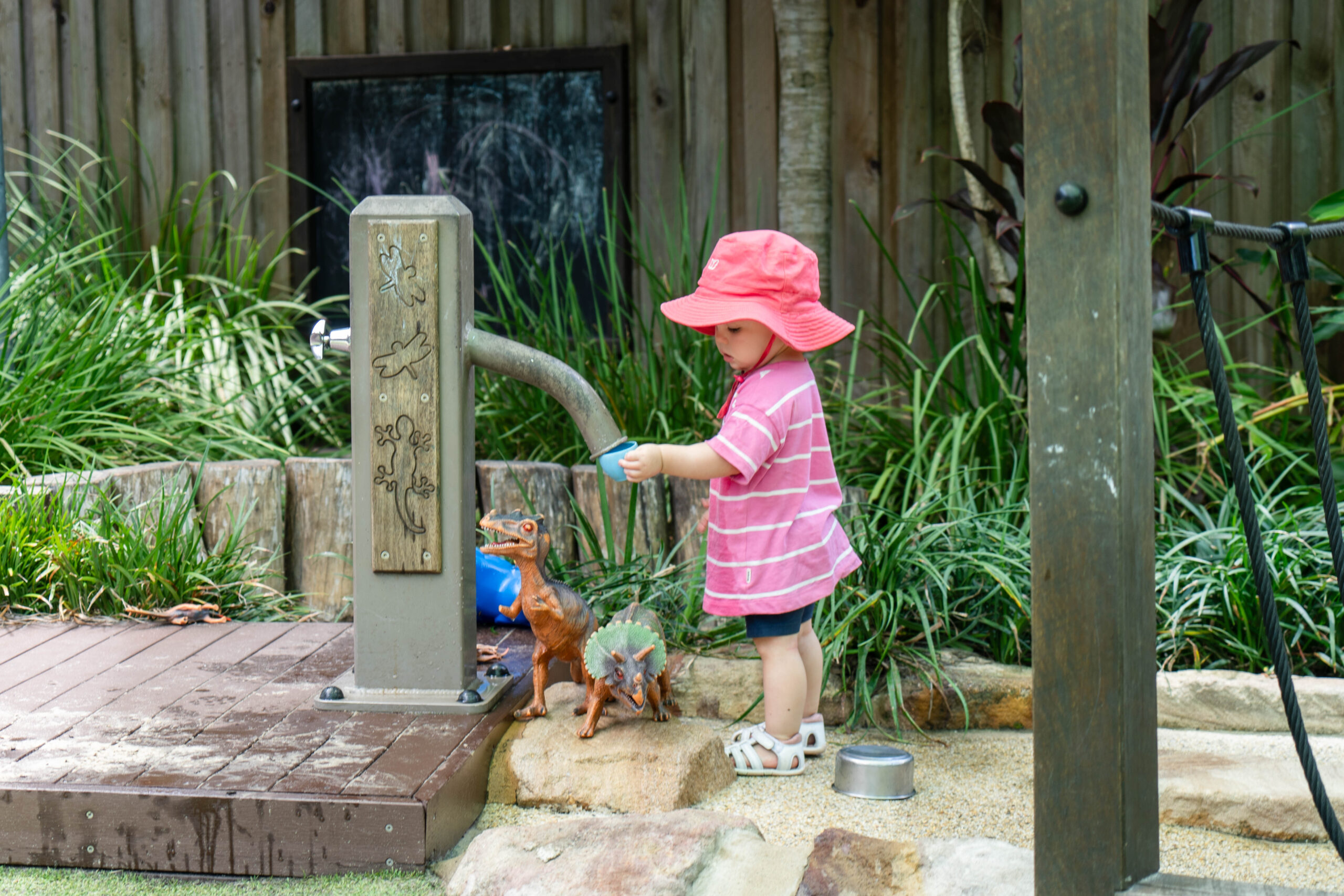
Supporting Diverse Learning Needs Through Gardening
Inclusive Garden Design
Gardening activities can be adapted to support children with diverse abilities and learning needs:
Sensory Considerations:
- Fragrant herbs for children with visual impairments
- Textured plants for tactile exploration
- Quiet garden spaces for children who need sensory breaks
Physical Adaptations:
- Multiple height growing options
- Adaptive tools for different motor abilities
- Clear, wide pathways for mobility aids
Learning Style Accommodations:
- Visual learning through plant identification charts
- Kinesthetic learning through hands-on activities
- Auditory learning through garden songs and storytelling
Assessment and Documentation in Garden Learning
Capturing Learning Moments
Digital Portfolios: Using tablets and cameras to document children’s garden discoveries creates ongoing learning records that can be shared with families and used for program evaluation.
Learning Stories: Narrative documentation that captures children’s thinking processes, problem-solving approaches, and developing understanding provides rich assessment information.
Peer Teaching Opportunities: Encouraging children to teach each other about their garden discoveries provides assessment insights while building communication skills.
Measuring Program Success
Child Development Indicators:
- Increased responsibility and independence
- Enhanced scientific vocabulary
- Improved problem-solving skills
- Stronger environmental awareness
Family Engagement Metrics:
- Participation in garden events
- Home gardening initiatives
- Healthy eating improvements
- Continued learning conversations
Resources for Queensland Early Learning Centres
Government Support and Funding
Queensland Department of Education: The Education Queensland website provides resources and information about state schooling initiatives that can support gardening programs in early learning settings.
ACECQA Resources: The Australian Children’s Education & Care Quality Authority offers resources to improve quality outcomes for children, including materials about outdoor learning environments.
Local Council Support: Many Queensland councils offer:
- Community garden grants
- Free mulch and compost programs
- Educational workshop opportunities
- Native plant giveaways
Professional Development Opportunities
Early Childhood Australia (Queensland Branch): Early Childhood Australia offers regular workshops on nature-based pedagogy and outdoor learning environments to help educators develop skills in garden-based education.
Queensland Science Network: Educational resources at the Queensland Department of Education Science website include materials for curriculum-relevant science learning that can be adapted for early childhood settings.
University Partnerships: Queensland universities such as Griffith University and University of Queensland often offer research opportunities and student teacher placements that can enhance garden programs.
Technology Integration in Garden Learning
Digital Tools for Modern Garden Education
Weather Monitoring Apps: Children can use tablets to track weather conditions, creating connections between technology use and environmental awareness.
Plant Identification Software: Age-appropriate apps help children identify plants, insects, and birds in their garden environment.
Time-Lapse Photography: Documenting plant growth over time helps children understand processes that occur too slowly for direct observation.
Virtual Reality Experiences: Exploring different ecosystems and growing environments around the world extends children’s understanding beyond their immediate garden.
Sustainable Practices and Environmental Stewardship
Teaching Conservation Through Action
Water Conservation:
- Rainwater collection systems
- Drought-resistant plant selection
- Efficient watering techniques
- Understanding water cycles
Waste Reduction:
- Composting food scraps
- Repurposing containers as planters
- Natural pest control methods
- Organic gardening practices
Biodiversity Support:
- Native plant incorporation
- Habitat creation for beneficial insects
- Bird-friendly garden features
- Understanding ecological relationships
Building Partnerships with Kenmore Hills Community
Local Business Collaborations
Kenmore Village Shopping Centre: Partnerships with local businesses in Kenmore can provide:
- Cooking demonstrations using garden produce
- Sponsored garden tools and materials
- Community display opportunities
- Family engagement events
Local Primary Schools: Creating connections with nearby Queensland schools such as Kenmore State School and Chapel Hill State School enables:
- Transition-to-school garden experiences
- Peer mentoring opportunities
- Shared resource utilisation
- Consistent learning progression
Cultural Connections
Multicultural Garden Sections: Celebrating the diverse cultural backgrounds of Kenmore Hills families through:
- Traditional plants from various cultures
- Cooking experiences using cultural recipes
- Stories and songs from different traditions
- Family heritage plant sharing
Future Directions in Garden-Based Learning
Emerging Trends and Opportunities
Climate Change Education: As Queensland faces increasing environmental challenges, garden programs can introduce age-appropriate climate science concepts and adaptation strategies. Resources from ClimateWatch can support this learning.
Food Security Awareness: Teaching children about food production and security builds understanding of global issues while promoting local sustainability. The Queensland Government’s food security initiatives provide additional context.
Indigenous Knowledge Integration: Expanding programs to include more Aboriginal and Torres Strait Islander traditional ecological knowledge respects Country and enriches learning experiences. The State Library of Queensland offers resources to support this integration.
Mental Health and Wellbeing: Growing recognition of nature’s role in mental health makes gardening programs increasingly valuable for children’s emotional development. Beyond Blue provides resources on nature and mental health.
At Kenmore Hills Early Learning Centre, our gardening programs represent more than simple outdoor activities – they’re comprehensive educational experiences that support children’s development across all learning domains. Through careful planning, community partnerships, and alignment with Queensland’s educational frameworks, we create opportunities for children to develop scientific thinking, personal responsibility, and environmental stewardship.
Our nature-based, play-focused learning environment allows children to thrive while developing crucial life skills in engaging indoor and outdoor environments. The garden becomes a living laboratory where children’s natural curiosity drives meaningful learning experiences that will benefit them throughout their educational journey.
By investing in quality garden-based education, early learning centres across Queensland can provide children with foundation skills in science, responsibility, and environmental awareness while fostering the deep connection to nature that supports lifelong learning and wellbeing.
Whether you’re an educator looking to enhance your outdoor learning programs, a parent interested in supporting your child’s scientific development, or a community member wanting to contribute to early childhood education, gardening offers accessible and meaningful opportunities to make a positive impact on children’s lives.
Visit Kenmore Hills Early Learning Centre to see our garden programs in action, or contact us to learn more about how we’re growing confident, capable, and environmentally conscious learners through the power of gardening education.
References and Further Reading
- Australian Children’s Education & Care Quality Authority (ACECQA): https://www.acecqa.gov.au/
- Queensland Department of Education: https://education.qld.gov.au/
- Queensland Curriculum and Assessment Authority: https://www.qcaa.qld.edu.au/
- Early Years Learning Framework V2.0: https://www.acecqa.gov.au/nqf/national-law-regulations/approved-learning-frameworks
- Kenmore Hills Early Learning Centre: https://www.kenmorehillsearlylearning.com.au/
Recent Comments