
Creating Christmas Magic in the Kitchen: Top Cookie Recipes for Families
Baking Christmas cookies with your children can turn a busy afternoon into something truly special. Flour on little noses, cinnamon in the air, and their smiles as they decorate each biscuit create memories you’ll treasure for years. We’ve tested these top 10 Christmas cookie recipes with real children, so you can enjoy baking that’s not only delicious but also a chance for your family to learn and grow together. For more tips on cooking with children, visit Occupational Therapy Australia for professional guidance on fine motor skill development through cooking.
Christmas Baking: More Than Just Delicious Treats
Skills Children Develop Through Baking
When children help in the kitchen, they’re learning important life skills without even realising it. Measuring ingredients teaches maths concepts, while following recipe steps builds reading comprehension. As little hands mix, roll and decorate, they strengthen fine motor skills essential for writing and other activities.
Setting Up for Success
Before you start baking with your children:
-
Prepare all ingredients and equipment beforehand
-
Put down a plastic mat for easier clean-up
-
Give children genuine tasks they can manage
-
Have adults handle all oven work and hot trays
-
Start with simpler recipes to build confidence
Our Top Family-Friendly Christmas Biscuit Recipes
Classic Sugar Biscuits
Perfect for first-time bakers, these simple biscuits allow endless decorating possibilities. Children as young as three can help roll the dough and use cookie cutters, while older kids can take charge of measuring ingredients.
No-Bake Chocolate Crackles
When you need a quick win without oven time, these Australian favourites are perfect. Even two-year-olds can help stir the mixture and spoon it into patty cases.
Gingerbread People
Create characters with personality! The spicy aroma of ginger and cinnamon makes this a truly festive activity. Children love giving each gingerbread person its own unique look with icing and lollies.
White Christmas Slice
This iconic Australian Christmas treat is simple enough for young helpers. Kids can mix the ingredients and press the mixture into the tin – both genuinely helpful tasks that contribute to the finished product.
Making Memories That Last
The real magic of Christmas baking isn’t just the biscuits – it’s creating traditions your family will treasure. Consider:
-
Making the same special recipe every Christmas Eve
-
Taking a photo each year of your children in their aprons
-
Playing the same Christmas music during your baking sessions
-
Letting children choose one new recipe to try each year
These small rituals become the memories children carry into adulthood.
When Things Don’t Go to Plan
Remember that perfect biscuits aren’t the goal – quality time together is what matters. If the dough gets too sticky, simply add more flour. If biscuits spread into one big blob, call it “Christmas biscuit pizza” and cut it into squares!
Join Our Baking Community
At Kenmore Hills Early Learning, we incorporate practical life skills like cooking into our daily program. We’d love to show you how we support children’s development through hands-on activities like these.
Call us on (07) 3088 2081 to arrange a tour and see how we’re creating Christmas magic all year round through play-based learning.
Happy baking from all of us at Kenmore Hills Early Learning Centre!
Creating Christmas Memories
The kitchen transforms into a magical workshop during December. Mixing bowls become cauldrons of possibility, and cookie cutters turn simple dough into festive works of art. These moments spent baking together build connections that last far beyond the holiday season.
Baking with Little Hands
Young children bring natural curiosity and enthusiasm to baking projects. They love feeling the texture of dough, watching it change shape, and seeing the final results of their work. This hands-on experience builds confidence in ways few other activities can match.
For toddlers, start with simple tasks like pouring pre-measured ingredients or stirring. Preschoolers can help roll dough and use cookie cutters. School-aged children can read recipes and measure ingredients with growing independence.
The beauty of baking together is that everyone can participate at their own level. A three-year-old might focus on placing sprinkles while an eight-year-old handles more complex decorating. This makes Christmas baking perfect for families with children of different ages.
The Importance of Kitchen Traditions
Family traditions create security and belonging for children. The annual ritual of making Christmas biscuits builds anticipation and marks the season in meaningful ways. These traditions become anchors that children remember long into adulthood.
Consider creating a special “baking day” each December. Mark it on the calendar and build excitement around it. You might wear matching aprons, play favourite holiday music, or invite grandparents to join the fun.
Many families find that homemade biscuits make thoughtful gifts for teachers, neighbours, and friends. Packaging cookies in cellophane bags with ribbon teaches children about generosity and thinking of others during the holiday season.
These kitchen traditions connect generations. The recipe for gingerbread people might be the same one your grandmother used, creating a sense of history and continuity that enriches family identity.
Essential Prep Tips

Before flour flies and icing flows, taking time to prepare makes the experience more enjoyable for everyone. A little planning prevents frustration and helps create the positive memories you’re hoping for.
Setting Up for Success
Choose recipes that match your children’s abilities and attention spans. For young helpers, select biscuits that don’t require complex techniques. Save intricate royal icing designs for older kids who have the patience and coordination for detailed work.
Read recipes completely before starting. Nothing dampens enthusiasm faster than discovering halfway through that the dough needs to chill for two hours before you can cut shapes.
Create a kid-friendly workspace. A small table allows younger children to reach comfortably, while a sturdy stool helps them work at counter height. Make sure everyone can reach without straining.
Pre-measure ingredients for very young bakers. Arrange them in small bowls so children can pour each one in when needed. This prevents measurement mistakes while still giving kids the satisfaction of adding each ingredient themselves.
Clear plenty of time. Baking with children takes longer than baking alone, but rushing defeats the purpose. The process matters more than the product.
Managing Mess with Children
Accept that baking with children will be messier than doing it yourself. This mental shift helps you stay calm when flour dusts the floor or sprinkles scatter beyond the biscuits.
Cover your work surface with baking paper for easier cleanup. When you’re finished, simply fold it up with all the crumbs and toss it away.
Keep a damp cloth nearby for quick hand wipes between steps. This prevents sticky fingerprints from spreading to cupboard handles and other surfaces.
Dress for the occasion in clothes that can handle a bit of mess. Consider special “baking clothes” that everyone changes into before starting. Aprons protect clothing and add to the special feeling of baking day.
Turn cleanup into part of the fun. Children who are old enough to help make the cookies are old enough to help wash mixing bowls or wipe counters. Make it a game to find all the sprinkles that escaped!
Cookie Recipes to Try
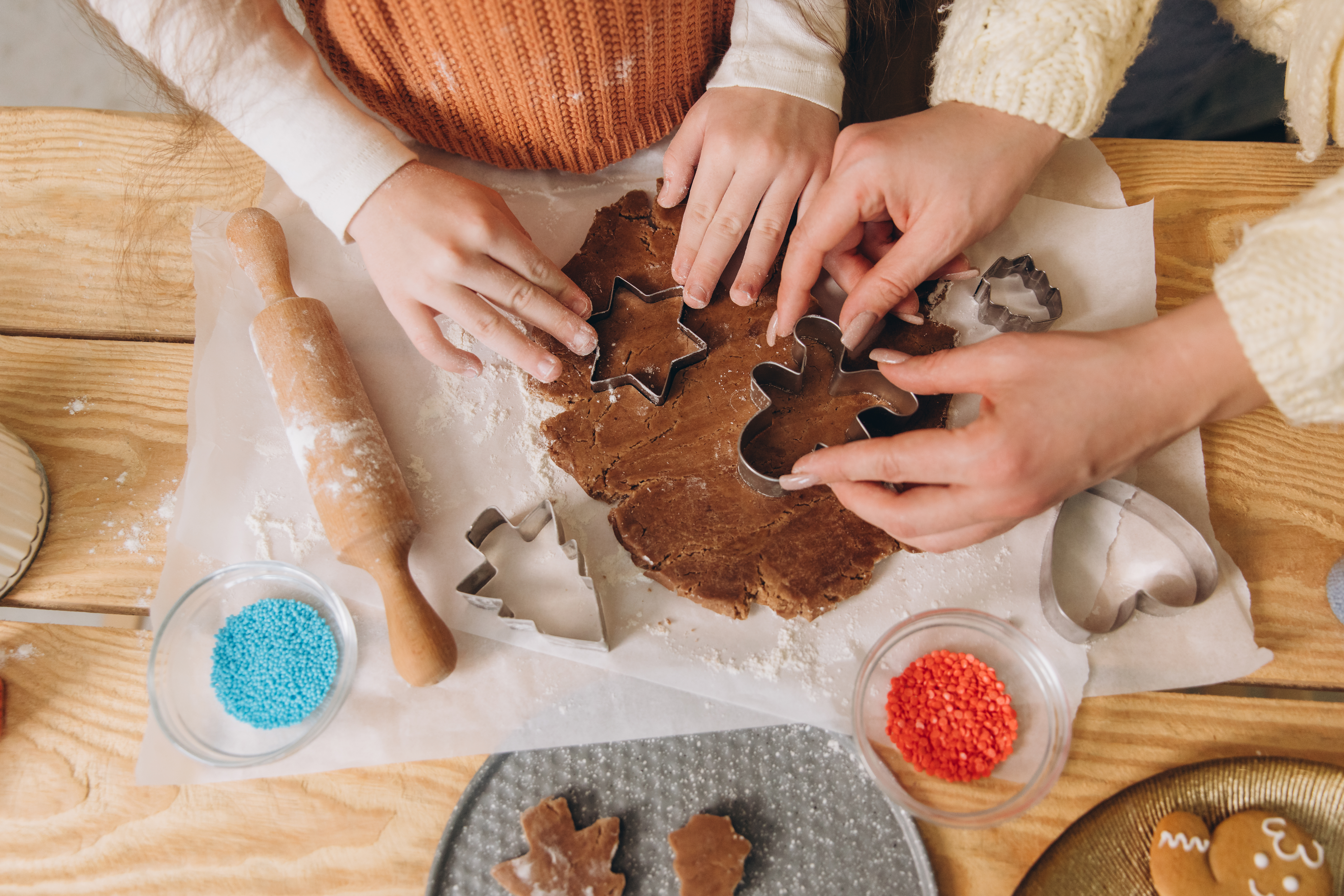
Now for the sweet part – recipes that work well with young helpers! These have been tested with real children and deliver both fun and tasty results.
Classic Sugar Biscuits
These buttery biscuits form the perfect canvas for creative decorating. The dough handles repeated rolling well, making it forgiving for little helpers who might need several tries to master cookie cutters.
You’ll need:
-
2½ cups plain flour
-
1 cup softened butter
-
¾ cup caster sugar
-
1 egg
-
1 teaspoon vanilla extract
-
½ teaspoon baking powder
Beat butter and sugar until creamy. Add egg and vanilla, then mix in flour and baking powder. Chill the dough for one hour to make it easier to handle.
Roll the dough on a floured surface and cut shapes with cookie cutters. Bake at 180°C for 8-10 minutes until edges are just turning golden. Let cool completely before decorating with icing and sprinkles.
Children love this recipe because they can create any shape they imagine. Star biscuits can become Christmas trees with green icing, or round biscuits can transform into snowmen with white icing and lolly decorations.
No-Bake Chocolate Crackles
When you want immediate results without waiting for the oven, these classic Australian treats deliver smiles fast. The absence of heat makes this recipe perfect for very young bakers.
You’ll need:
-
4 cups Rice Bubbles
-
1 cup icing sugar
-
1 cup desiccated coconut
-
3 tablespoons cocoa powder
-
200g copha, melted
Mix all dry ingredients in a large bowl. Pour melted coconut oil over and stir well. Spoon the mixture into paper cases and refrigerate for 30 minutes until set.
This recipe gives children the satisfaction of making something completely by themselves. The stirring action builds arm strength, while spooning mixture into cases practices hand-eye coordination.
For a festive touch, top each crackle with a red or green glace cherry before refrigerating. You can also add Christmas-coloured sprinkles to the mixture for extra fun.
Gingerbread People
No Christmas is complete without the warm, spicy aroma of gingerbread. Creating little people brings an element of storytelling to your baking session.
You’ll need:
-
3 cups plain flour
-
¾ cup brown sugar
-
125g softened butter
-
1 egg
-
⅓ cup golden syrup
-
1 tablespoon ground ginger
-
1 teaspoon cinnamon
-
1 teaspoon baking soda
-
½ teaspoon ground cloves
Beat butter and sugar, then add egg and golden syrup. Mix in flour, spices, and baking soda. Chill the dough for two hours before rolling.
Cut gingerbread people shapes and bake at 180°C for 10-12 minutes. Once cool, decorate with icing to create faces, clothes, and personalities.
Children love giving each gingerbread person a name and story. This creative play extends the baking activity into imaginative storytelling. Some families create gingerbread versions of each family member, complete with identifying features.
For more information on food safety when baking with children, visit the Queensland Health food safety guidelines. If you’re planning to share your baked goods, check Allergy & Anaphylaxis Australia for important information about common food allergies. And for more family-friendly cooking inspiration throughout the year, visit Jamie’s Food Revolution Australia for practical cooking skills programs and resources.
The joy of Christmas baking goes far beyond the treats themselves. It’s about creating moments together that become the foundation of family traditions. So gather your little ones, embrace the mess, and start making memories one biscuit at a time.
Ready to Start Baking?
These recipes have all been tested with real children at our Brookfield Road centre. They work, they’re fun, and they create exactly the kind of hands-on learning experiences we value in early childhood education.
If you’d like to see how we incorporate practical life skills like cooking into our daily kindergarten program, we’d love to show you around Kenmore Hills Early Learning at 82 Brookfield Road.
Give us a call on (07) 3088 2081 or visit our website to arrange a tour. We’re always happy to chat about early learning, child development, or which cookies survive best in a preschooler’s backpack.
Happy baking from all of us at Kenmore Hills Early Learning Centre!
Recommended Resources
Australian Cooking and Early Learning Resources:
-
Raising Children Network – Cooking with Children
https://raisingchildren.net.au/toddlers/play-learning/learning-ideas/cooking-with-children
Evidence-based Australian resource on age-appropriate cooking activities and developmental benefits. -
Nutrition Australia
https://nutritionaustralia.org/
Professional nutrition advice for families, including balanced treat guidance. -
Taste.com.au – Kids Recipes
https://www.taste.com.au/recipes/collections/kids-recipes
Australia’s largest recipe collection with extensive children’s cooking content. -
Stephanie Alexander Kitchen Garden Foundation
https://www.kitchengardenfoundation.org.au/
Promoting positive food education through hands-on learning. -
Early Childhood Australia
https://www.earlychildhoodaustralia.org.au/
Research on practical life skills development in early learning. -
Occupational Therapy Australia
https://otaus.com.au/
Professional guidance on fine motor skill development through cooking. -
Food Standards Australia New Zealand
https://www.foodstandards.gov.au/
Government authority on safe food handling when cooking with children. -
Allergy & Anaphylaxis Australia
https://allergyfacts.org.au/
Essential information on food allergies when baking for sharing. -
Queensland Health – Food Safety
https://www.health.qld.gov.au/
State information on safe food preparation in home kitchens. -
Jamie’s Ministry of Food Australia
https://www.jamiesfoodrevolution.org.au/
Practical cooking skills programs and family resources.
These resources complement the hands-on, practical learning approach at Kenmore Hills Early Learning Centre.
Recent Comments