
Easter is one of the most widely recognised celebrations in the world — but its meaning, traditions, and stories vary beautifully across cultures and faiths. For young children, exploring Easter through a cultural and religious lens is a wonderful entry point into the wider world of human diversity, story, and shared values.
At Kenmore Hills Early Learning, we believe that curious, open-hearted children grow into empathetic, connected adults. Our approach to cultural and religious learning isn’t about instruction — it’s about exploration, wonder, and respectful curiosity. Easter gives us a rich and timely opportunity to do exactly that.
🌍 Why Cultural and Religious Learning Matters in Early Childhood
Children are natural explorers. From the moment they can observe the world around them, they are making sense of people, traditions, and meaning — and asking a remarkable number of questions along the way! Introducing cultural and religious diversity in early childhood builds the foundation for respectful, empathetic, and globally aware citizens.
Research consistently shows that children who encounter diverse perspectives, celebrations, and stories in their early years develop stronger social skills, greater emotional intelligence, and a more secure sense of their own identity.
🌿 Our Approach at Kenmore Hills
Just as Wildhood teaches children to observe, wonder, and connect with the natural world, our approach to cultural and religious learning invites children to observe, wonder, and connect with the human world. Both are forms of exploration — and both lead to a deeper, richer understanding of the world we all share.
✝️ Easter as a Christian Celebration
For billions of people around the world, Easter is the most sacred celebration in the Christian calendar. It marks the story of resurrection — new life after death — and carries themes of hope, renewal, and the power of love. In many families represented in our community, Easter is a deeply meaningful spiritual occasion involving church services, prayer, fasting, and family gatherings.
We approach Christian Easter stories with care and respect, sharing them as important cultural narratives. Stories of new life, light returning after darkness, and the courage of hope are themes that resonate across all ages — and that connect beautifully to the seasonal changes children can observe in the natural world around them.
🥚 The Deeper Meaning Behind Easter Symbols
Many of the symbols we associate with Easter have layers of cultural and historical meaning that make for rich conversations with young children. Exploring these symbols together builds vocabulary, critical thinking, and an appreciation of how humans use story and symbol to express what matters most to them.
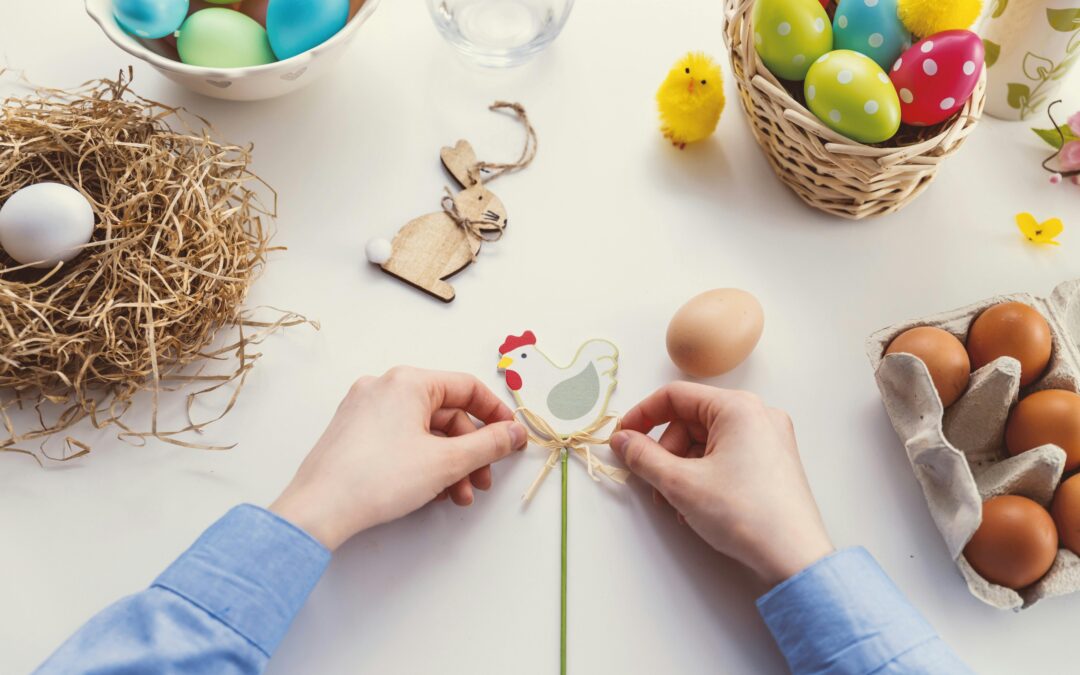
- 🥚 The Easter Egg — Eggs have symbolised new life, fertility, and rebirth across many cultures for thousands of years — long before the chocolate variety arrived!
- 🐇 The Easter Bunny — Rooted in Germanic folklore, the Easter Bunny is associated with spring, new beginnings, and the gift of eggs — a tradition carried across the world by European settlers.
- 🕊️ The Dove — A universal symbol of peace and hope, the dove holds special significance in Christian Easter traditions as a symbol of the Holy Spirit and new beginnings.
- 🌸 Spring Flowers — Lilies, daffodils, and blooms of all kinds represent renewal and the return of life — symbols shared across Christian, pagan, and cultural spring celebrations worldwide.
🌏 Easter and Spring Celebrations Around the World
While Easter is specifically a Christian celebration, many cultures around the world hold spring festivals and renewal celebrations at this time of year that share similar themes of new life, light, and gratitude. Exploring these connections helps children understand that many human celebrations — across different cultures and faiths — draw on the same deep wells of human experience.
From Nowruz (the Persian New Year marking the spring equinox) to Holi (the Hindu festival of colours celebrating the arrival of spring) to Passover (the Jewish celebration of freedom and renewal), this time of year is rich with human stories worth exploring and honouring together.
🌟 From Our Educators
When children ask big questions about why people celebrate differently or believe different things, we don’t rush to give all the answers. We sit in the question together — because curiosity and respect are the most important things we can cultivate. The best conversations start with “I wonder…” and the Wildhood spirit means we’re always ready to explore.
🎨 How We Bring Cultural Easter Learning to Life
At Kenmore Hills, cultural learning is always hands-on, sensory, and play-based — true to our Wildhood approach. Here are some of the ways we explore Easter through a cultural and religious lens with children:
- Storytelling and picture books — sharing diverse Easter stories from different cultural perspectives, illustrated beautifully to spark conversation.
- Symbol exploration — creating a provocation table with Easter symbols from different traditions for children to observe, handle, and discuss.
- Egg decorating traditions — exploring Pysanka (Ukrainian egg art), Chinese paper-cut patterns, and other cultural egg decoration styles from around the world.
- Nature and renewal in the garden — connecting Easter themes of new life to the plants, seeds, and creatures in our own outdoor environment.
- Family sharing — inviting families to share how they celebrate Easter or spring in their own cultural or religious tradition.
🌼 Diversity in our community is one of our greatest classroom resources. When children share their own family’s traditions, they experience being valued and seen — and they teach each other the most important lesson of all: that difference is something to be curious about, not afraid of.
👨👩👧 Conversations to Have at Home
Cultural and religious learning is most powerful when it continues at home. Here are some simple ways to extend the Easter exploration with your child:
- Share your own traditions — tell your child the story of how your family celebrates Easter or spring, and what it means to you.
- Look at Easter around the world together — a simple web search for “Easter traditions around the world” will surface beautiful images and stories to explore together.
- Ask open questions — “Why do you think people put candles in windows at Easter?” or “What do you think the egg is trying to tell us?”
- Visit a local church, garden, or cultural event — seeing celebrations in person, even briefly, brings cultural learning to life in a way no book can replicate.
At Kenmore Hills Early Learning, every celebration — Easter or otherwise — is an invitation to wonder about the world together. We are proud to walk alongside families in raising children who are curious, respectful, and genuinely delighted by the rich tapestry of human experience.
🌸 Wishing all our Kenmore Hills families a peaceful, reflective, and joyful Easter season. Your child’s world — and ours — is richer for the traditions and stories you bring into it.
Further Reading & Sources
- National Quality Standard – ACECQA
- Every Child Magazine – Early Childhood Australia
- Teaching Children About Religion and Culture – Raising Children Network (Australia)
- Belonging, Being & Becoming – Early Years Learning Framework, Australian Government
- Celebrating Cultural Diversity in Early Learning – Goodstart Early Learning
- Teaching Children About Different Cultures – Bright Horizons
- Easter Traditions Around the World – ABC Religion & Ethics
- Anti-Bias Education and Cultural Diversity – NAEYC
Recent Comments