
Building Little Communicators: Speech and Language Development at Kenmore Hills
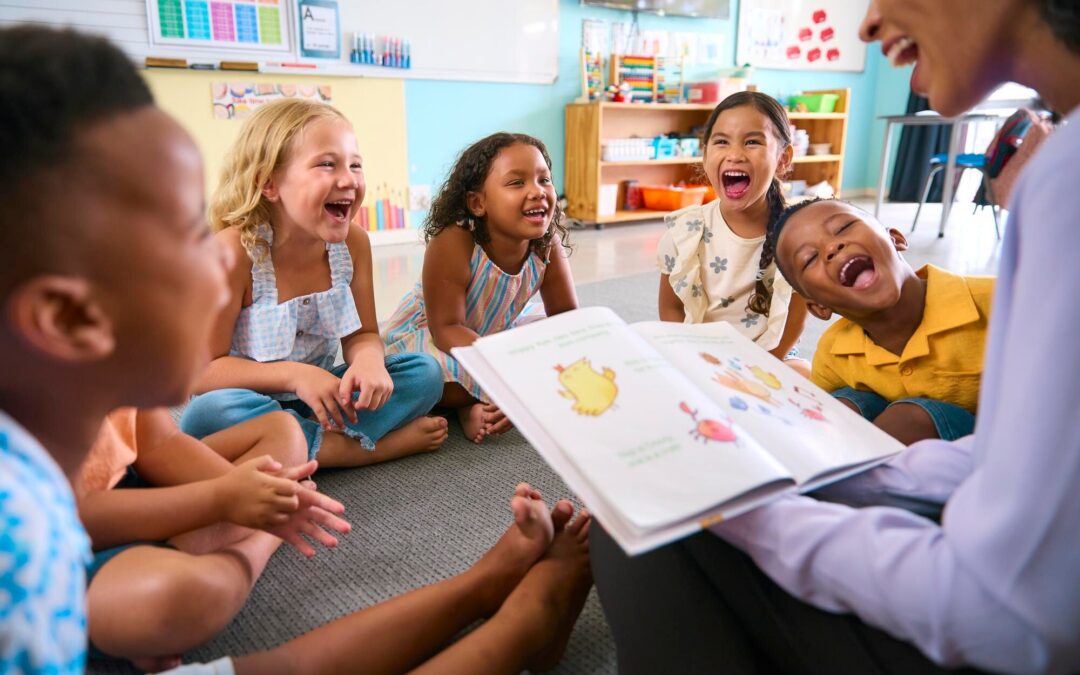
Most parents worry if their child’s babbling or first words aren’t coming as quickly as expected. Speech and language development sets the groundwork for your little one’s learning, friendships, and confidence at school. At Kenmore Hills Early Learning, we focus on building communication skills through everyday moments that matter—helping your child find their voice and get ready for what’s ahead.
Speech and Language Development
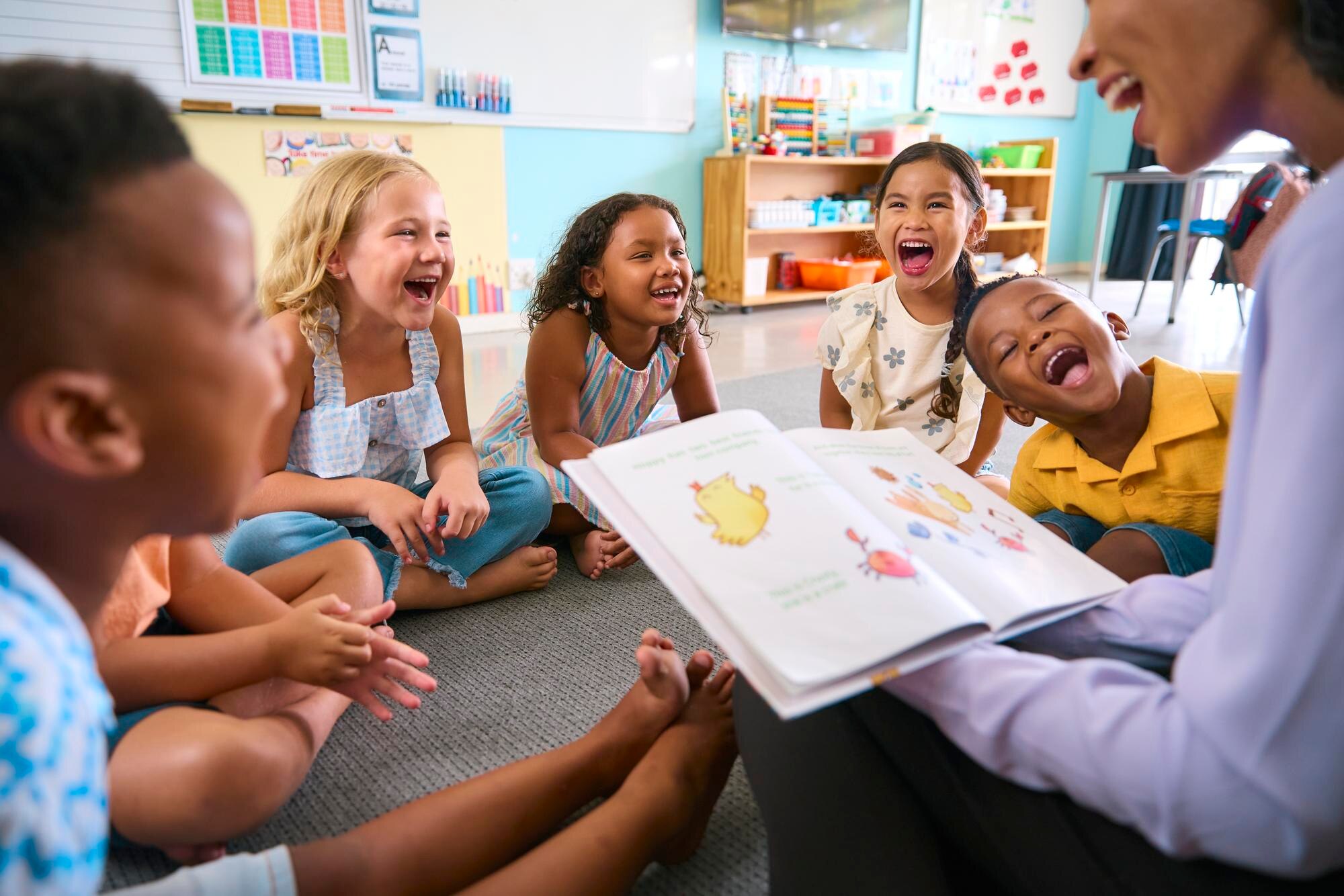
Your child’s ability to communicate shapes nearly every part of their growth. From making friends to learning to read, these skills create the foundation for their future success and happiness.
Why Communication Skills Matter
When your child can express their thoughts and feelings clearly, they build stronger connections with others. These early skills directly impact how they’ll learn and interact throughout life.
Communication helps children solve problems without frustration. Instead of crying or acting out, a child with good language skills can say “I’m hungry” or “I need help.” This ability reduces stress for both you and your child.
Strong talkers become strong readers. Research shows that children who hear more words early in life have larger vocabularies and better reading skills by school age. The Queensland Health developmental guidelines confirm that language skills form the basis for literacy.
Did you know that children learn language through back-and-forth conversations? Each time you respond to your baby’s coos or answer your toddler’s questions, you’re building neural connections that support communication.
Understanding Speech Milestones
Every child develops at their own pace, but certain milestones help track progress. Knowing what to expect can ease your worries or signal when extra support might help.
By 12 months, most babies babble with different sounds, respond to their name, and may say a few simple words like “mama” or “dada.” They communicate through pointing, reaching, and making sounds to get your attention.
Between ages 1-2, vocabulary grows from a few words to 50+ words. Your toddler starts putting two words together (“more milk”) and follows simple directions. This explosion in language happens naturally when children are surrounded by talk and interaction.
From ages 2-3, sentences grow longer and more complex. Your child asks questions, uses plural words, and strangers can understand about 75% of what they say. They begin telling simple stories about their experiences.
By ages 4-5, children speak in complete sentences, tell detailed stories, and understand concepts like “same” and “different.” They can follow multi-step directions and engage in longer conversations. These skills prepare them for success in the classroom setting.
Recognising When to Seek Help
Trust your instincts as a parent. If something about your child’s speech development feels off, it’s worth checking with a professional.
Warning signs for babies include not babbling by 9 months or not responding to sounds. For toddlers, watch for limited vocabulary growth (fewer than 50 words by age 2) or not combining words. Preschoolers should be speaking clearly enough for strangers to understand most of what they say.
Speech delays can stem from hearing issues, muscle coordination, or processing differences. The good news? Early help makes a big difference. Children who receive support before age 5 show much better outcomes than those who wait until school age.
Don’t hesitate to speak with your child’s doctor or an early childhood educator if you have concerns. At Kenmore Hills Early Learning, we partner with families to monitor development and connect you with resources when needed.
Supporting Language Growth
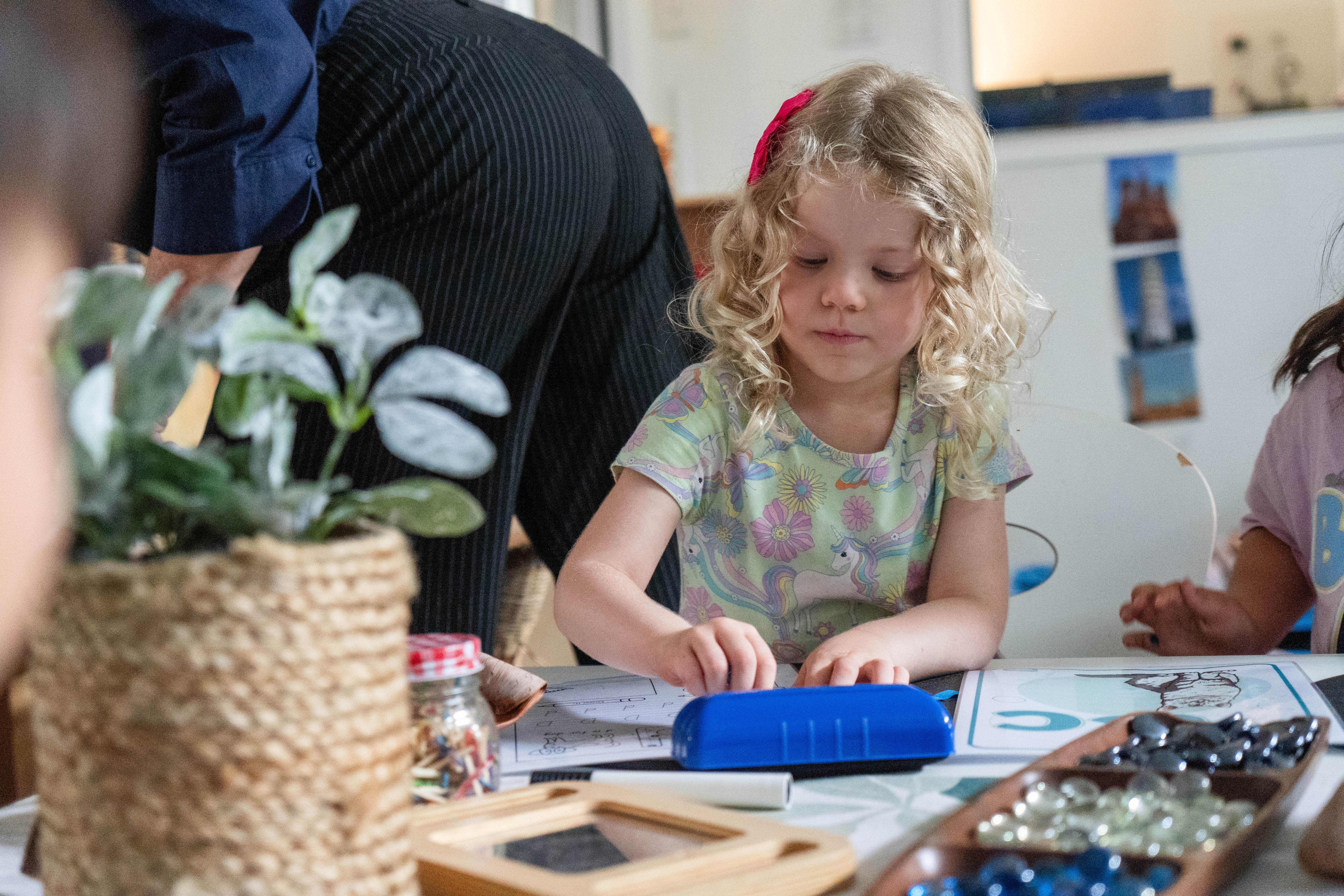
Building strong communication skills happens through everyday interactions. The quality of talk your child hears shapes how they’ll express themselves and understand the world.
Creating a Language-Rich Environment
Fill your child’s world with words, stories, and conversations. Children learn to talk by hearing language used in meaningful ways throughout their day.
Talk about what you’re doing as you do it. “I’m cutting these red apples for your snack. They’re crunchy and sweet.” This running commentary teaches vocabulary in context and helps your child connect words with real experiences.
Read together daily, pointing to pictures and asking simple questions. “Where’s the dog? What sound does he make?” Books introduce new words your child might not hear in everyday conversation. Even babies benefit from storytime through the rhythm and patterns of language.
Sing songs and recite nursery rhymes to help your child hear the sounds and patterns in our language. Music naturally breaks language into smaller parts, making it easier for children to process speech sounds.
Cut back on background noise when possible. TVs, phones, and tablets can overwhelm developing brains and make it harder to focus on human speech. Direct conversation is much more powerful for language development than any app or program.
Encouraging Communication at Home
Create reasons for your child to communicate. Put favorite toys in clear containers they can see but not open, or place desired items just out of reach. These small challenges prompt your child to ask for help.
Wait patiently after asking questions. Many parents jump in too quickly when children don’t respond immediately. Counting silently to 10 gives your child time to process and form a response.
Expand on what your child says. If they point and say “ball,” you might reply, “Yes, that’s your red ball. Do you want to play with it?” This technique shows you understand while providing a model of more complex language.
Follow your child’s lead during play. When you join their game and comment on what interests them, they’re more motivated to communicate. “Your tower is so tall! What will you add next?”
Make mealtimes conversation times. Regular family meals provide natural opportunities for taking turns speaking and listening. Ask open-ended questions like “What was fun about your day?” rather than questions that can be answered with yes or no.
Multilingual Benefits for Children
Growing up with multiple languages gives your child amazing brain benefits. Research shows bilingual children develop stronger attention skills and mental flexibility.
Speak to your child in your home language. The richness and emotional connection of your native language provides the best foundation for all language learning. Children who have a strong first language learn second languages more easily.
Don’t worry if your child mixes languages at first. This “code-switching” is normal and shows they’re learning the rules of both languages. Over time, they’ll sort out which words belong to which language.
Language learning happens through meaningful interactions, not drills or flashcards. Songs, stories, and conversations in any language build the brain connections needed for communication.
Did you know that learning multiple languages doesn’t cause speech delays? This common myth has been disproven by research. Bilingual children meet language milestones at the same rate as monolingual children, though their vocabulary may be split between languages.
Preparing for School Readiness
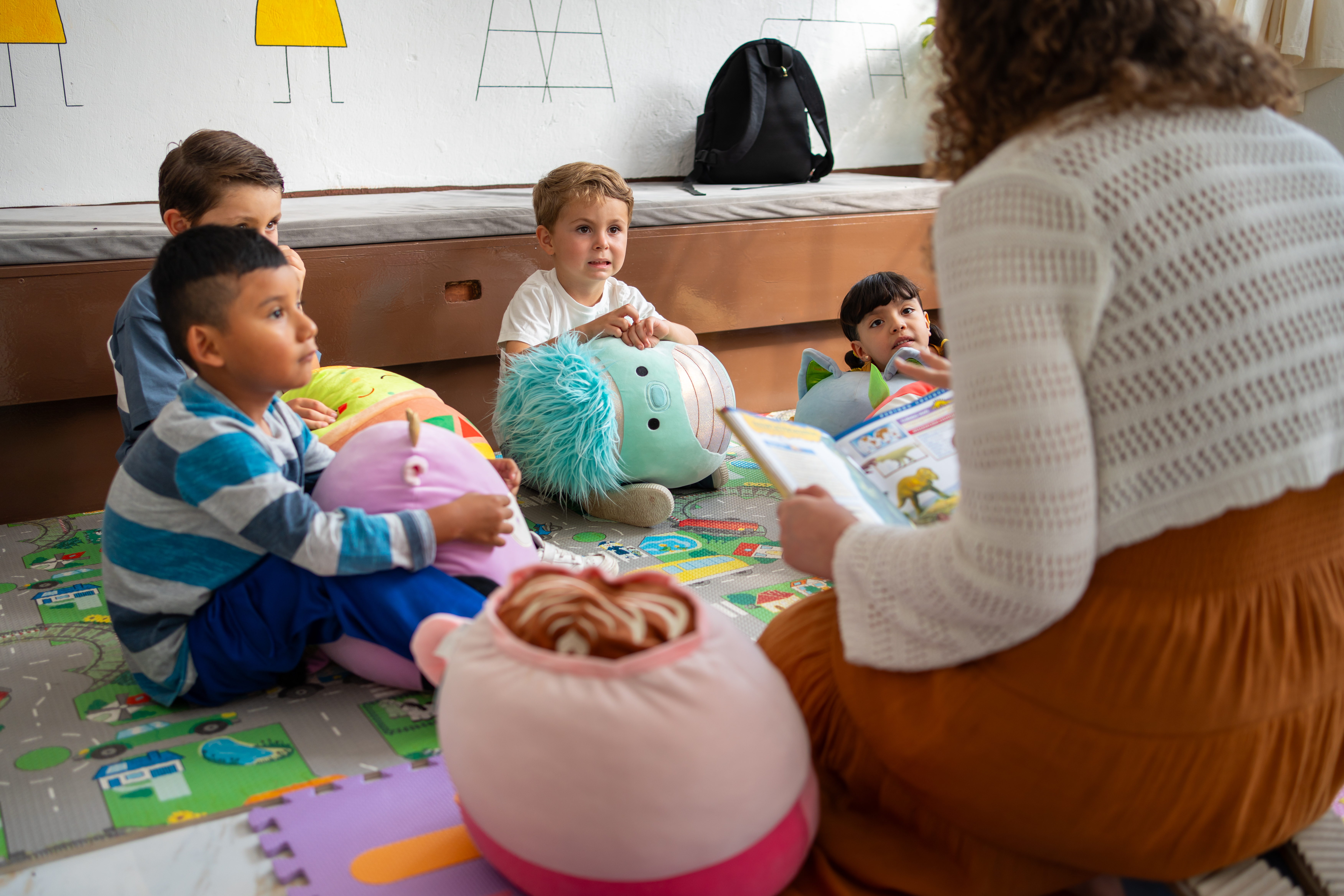
Communication forms the foundation for school success. Children who enter school with strong language skills find it easier to make friends, follow directions, and learn to read.
Key Communication Skills for School
Listening skills top the list of what teachers value in new students. Children need to focus on spoken directions, remember multi-step instructions, and filter out distractions in busy classrooms.
Conversation skills help children build relationships with teachers and peers. Taking turns speaking, staying on topic, and asking relevant questions are social skills that support classroom learning.
Question-asking drives learning. Children who can formulate clear questions (“How does rain happen?”) take an active role in their education. Practice by welcoming your child’s questions at home, even the endless “why” questions!
Basic concept words form the building blocks for classroom instructions. Words like “before,” “after,” “next to,” “between,” and “same/different” appear in directions for nearly every school activity. The Approved Learning Frameworks highlight the importance of these foundational concepts.
Narrative skills—the ability to tell a story with a beginning, middle, and end—prepare children for both reading comprehension and writing. Practice by asking your child to retell familiar stories or describe events from their day.
Play-Based Language Activities
Pretend play creates natural opportunities for rich language use. When children pretend to be shopkeepers, doctors, or teachers, they practice different vocabulary and sentence patterns.
Set up a puppet show with simple sock puppets or stuffed animals. Puppets magically encourage shy children to talk more freely. Ask your child to use the puppets to tell you a story or solve a problem.
Play “I Spy” games focusing on beginning sounds: “I spy something that starts with mmm.” This builds phonological awareness—hearing the individual sounds in words—which directly connects to reading success.
Create a story box filled with random objects (toy animals, blocks, ribbon, etc.). Take turns pulling out items and adding them to a continuing story. This builds creativity and narrative skills in a playful way.
Memory games like “I went to the shop and bought…” where each person adds an item while remembering previous items strengthen both memory and language skills. Start simply with young children and add complexity as they grow.
Resources for Parents and Caregivers
Your local library offers free storytime sessions where trained staff model reading techniques that build language skills. Libraries also provide books, audiobooks, and often take-home activity kits.
The Raising Children Network website offers age-specific activities and information about speech and language development from Australian experts.
Speech pathologists can provide strategies even before there’s a problem. Many offer workshops for parents on stimulating language development at home.
Our toddler program at Kenmore Hills Early Learning incorporates daily activities specifically designed to boost language skills through play. We track each child’s progress and share strategies that work well for them.
Parent-child playgroups provide social language opportunities in a supportive setting. Children practice communication with peers while parents can share experiences and tips with each other.
At Kenmore Hills, we believe in building bridges between age groups, allowing younger children to learn language skills from older peers. This natural mentoring creates rich communication opportunities that benefit all children.
Recent Comments