
Building Bridges: The Power of Peer Mentoring at Kenmore Hills Early Learning
At Kenmore Hills Early Learning, we see something special every day: older children stepping in to help younger ones without being asked. This simple act of peer mentoring shapes skills like patience, confidence, and kindness in ways few other activities can. Our mixed-age program creates moments where children teach and learn from each other naturally. Read on to find out how these connections build strong foundations for both mentors and learners at Kenmore Hills Early Learning.
The Magic of Peer Mentoring
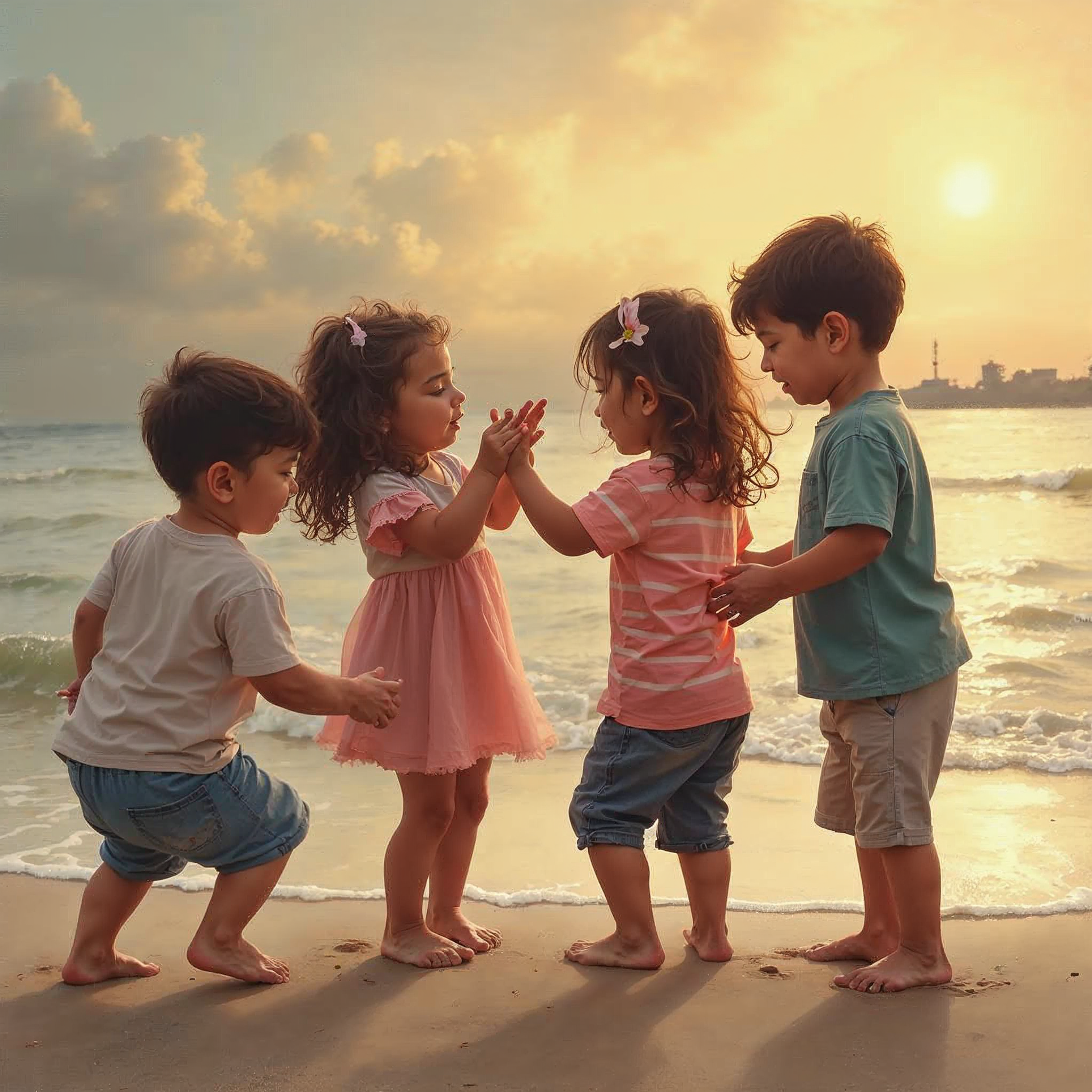
When children of different ages come together, something remarkable happens. The older ones step into teaching roles while younger children look up to their “big kid” helpers. This natural exchange creates powerful learning moments that benefit everyone involved.
Building Leadership and Empathy
Older children bloom when given chances to help their younger friends. A five-year-old showing a three-year-old how to wash hands isn’t just teaching hygiene – they’re practising how to break down steps, explain clearly, and check for understanding.
These moments help children develop real empathy. They learn to notice when someone struggles, adjust their tone to match a younger child’s needs, and celebrate others’ success. We often watch our kindergarten children naturally lower their voices and slow their pace when working with toddlers.
Teaching requires patience, too. When a younger child needs multiple tries to master a skill, older children practice managing their own feelings while staying encouraging. This builds emotional skills they’ll use throughout life.
The best part? Children gain authentic self-worth from these interactions. When we tell a child, “Would you show Sam how we line up for outside time?” we’re communicating trust in their abilities – a powerful boost to their developing sense of self.
Fostering Confidence in Young Learners
Younger children often learn better from slightly older peers than from adults. A four-year-old explaining something to a two-year-old communicates more effectively because they’re closer in development and speak the same “child language.”
Having an older friend take time to help them makes younger children feel valued and capable. The message is clear: “You can do this. I believe in you.” This builds confidence more powerfully than adult praise alone because the “big kids” are their everyday heroes.
These mixed-age friendships help younger children learn to ask for help, accept guidance, and build relationships across age differences. A nervous three-year-old settling into preschool feels much better with a friendly five-year-old showing them where the toys are and inviting them to play.
Being around older children also exposes younger ones to more complex play, richer vocabulary, and new problem-solving approaches. This “reaching up” helps them grow faster than they might in strictly same-age groups.
Creating a Supportive Environment
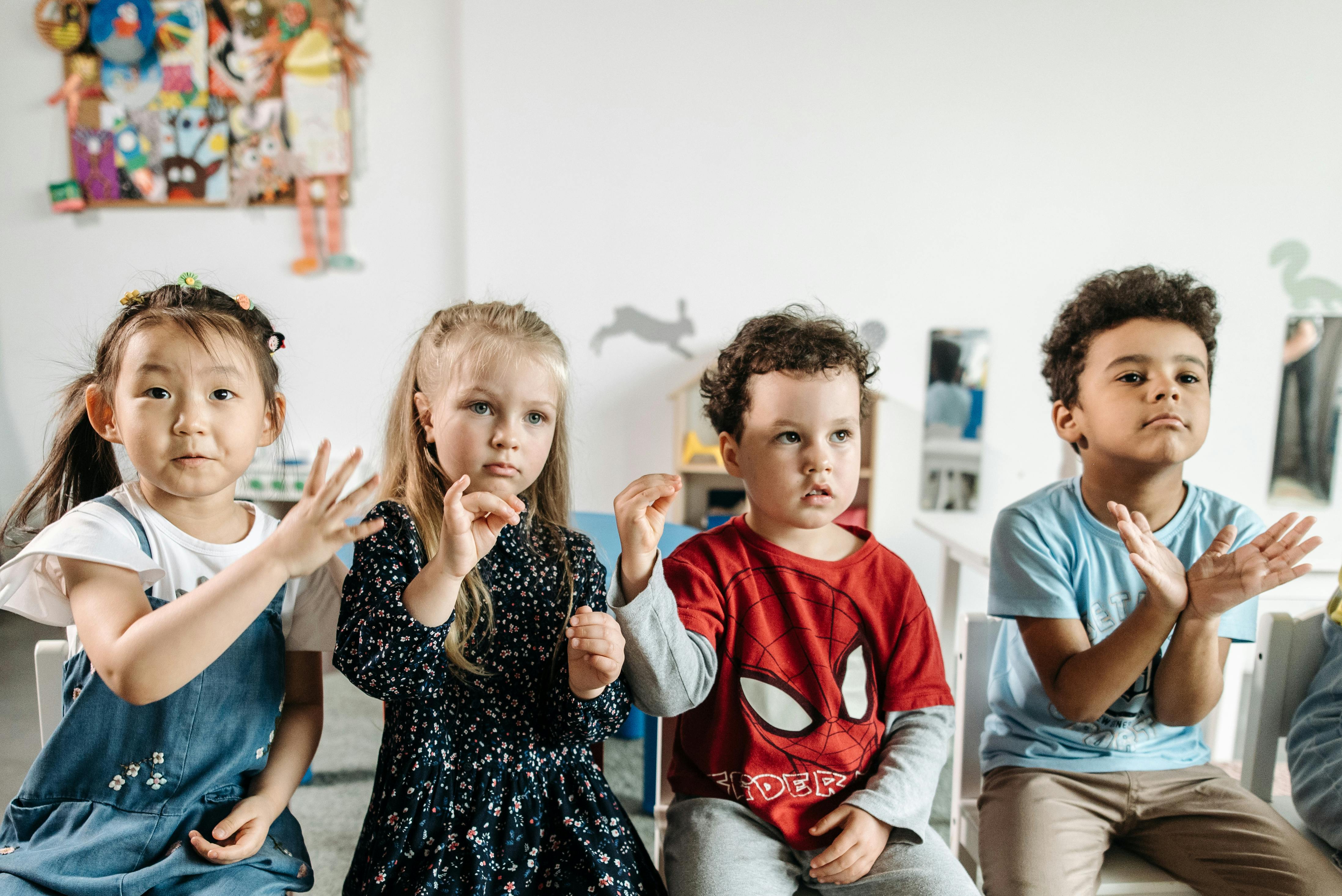
Making peer mentoring work takes more than just mixing ages. At Kenmore Hills, we design our program to create natural opportunities for children to connect, help, and learn from each other.
Mixed-Age Groupings and Activities
We structure specific times for cross-age interactions throughout our day. During morning group time, older children sometimes lead songs or share stories with younger groups. At meal times, mixed tables allow natural helping with pouring, passing, and cleanup.
Our outdoor play spaces welcome all ages, creating perfect settings for spontaneous teamwork. You might see a group of kindergarteners building an elaborate fort while inviting younger ones to carry materials and place smaller pieces – adjusting their plans to include roles everyone can manage.
We also design projects that need cooperation across ages. Garden activities let older children teach younger ones about planting. Art installations allow each age group to contribute differently. Music and movement activities work beautifully with mixed-age partners.
Our educators actively guide these interactions, modelling helpful behaviours and coaching children through the process: “I notice Maya is having trouble with that zipper. Do you remember how you learned? Maybe you could show her.”
Buddy Systems and Collaborative Projects
New children at our centre are paired with experienced “buddies” who show them around, explain routines, and check in during the settling period. This gives the older child meaningful responsibility while helping newcomers feel immediately welcomed.
We create projects where each child brings different strengths. Building large-scale constructions needs both big and small hands. Group storytelling lets older children handle complex narratives while younger ones contribute creative ideas.
For special events, we often pair older and younger children as partners. During our community walks, kindergarteners hold hands with toddlers, helping them navigate paths and pointing out interesting sights along the way.
Most importantly, we foster a centre culture where helping and kindness are genuinely valued. Children quickly pick up on what matters to the adults around them – when we celebrate acts of caring, they become part of everyday life.
Real-Life Success Stories
The theory of peer mentoring sounds good, but the real magic happens in those small, everyday moments between children. Here are some snapshots from our centre that show peer mentoring in action.
Heartwarming Mentoring Moments
James spent fifteen minutes teaching Oliver to tie shoelaces. Though Oliver didn’t master it that day, James never showed frustration. He simply said, “That’s okay. It took me ages too. We’ll practice tomorrow.”
Emma noticed a new two-year-old crying at drop-off. Without being asked, she brought over a favourite teddy and sat quietly beside the younger child until she calmed down. Later, she checked on her twice more during the morning.
Our kindergarten children often “read” picture books to toddlers. Even pre-readers make up stories based on pictures, modelling reading behaviours and fostering a love of books in their younger audience.
When a three-year-old with limited English joined us, a bilingual five-year-old naturally started translating and helping her understand routines. This peer support was priceless during her settling period.
These aren’t rare events – they happen daily in our mixed-age environment where children learn that helping others is just part of what we do.
Positive Changes Observed by Parents
Parents regularly tell us about changes they see at home after their children participate in peer mentoring. Many notice their older children becoming more patient with younger siblings, using the same teaching techniques they practice at our centre.
“My younger one comes home trying things they’ve never attempted before,” one parent shared. Watching older children master skills inspires younger ones to stretch themselves.
Other parents report their kindergarteners explaining things more clearly and breaking down tasks into steps – communication skills developed through teaching younger friends.
Some families notice their toddlers asking older siblings for help rather than always turning to adults. They’re learning to seek peer support, a valuable lifelong skill.
The benefits extend beyond specific skills to deeper character traits. Parents tell us their children show more empathy, greater patience with challenges, and pride in helping others – qualities that will serve them well throughout life.
When children experience the joy of teaching and the satisfaction of mastering new skills with peer support, they develop a positive approach to learning that stays with them long after they leave our centre.
The connections formed between older and younger children create a community where everyone has something to offer, and everyone has something to gain. That’s the true power of peer mentoring at Kenmore Hills Early Learning.
Come See It in Action
If you’d like to see how peer mentoring and mixed-age learning work in practice, we’d love to welcome you to Kenmore Hills Early Learning at 82 Brookfield Road.
Watch how our kindergarten children naturally gravitate toward helping younger peers. See the pride on an older child’s face when they successfully teach something new. Notice the confidence younger children gain from these supportive relationships.
Give us a call on (07) 3088 2081 or visit our website to arrange a tour. Our educators are always happy to discuss how our approach supports your child’s development, whatever their age.
Because building bridges between children isn’t just nice to see. It’s essential for developing the capable, caring, connected humans we want them to become.
Recommended Resources on Peer Mentoring and Mixed-Age Learning
Early Childhood Education Research:
-
Early Childhood Australia – Social and Emotional Learning
https://www.earlychildhoodaustralia.org.au/
Peak professional body with research on peer relationships and social development in early learning. -
Raising Children Network – Social Development
https://raisingchildren.net.au/preschoolers/development/social-emotional-development
Evidence-based Australian resource on how children develop social skills and relationships. -
Queensland Kindergarten Learning Guideline (QKLG)
https://qklg.qld.gov.au/
Official Queensland framework emphasising diverse relationships and social learning. -
Australian Children’s Education & Care Quality Authority (ACECQA)
https://www.acecqa.gov.au/
Information on quality relationships and interactions in early childhood education settings. -
Montessori Australia Foundation
https://montessori.org.au/
Resources on mixed-age learning philosophy and its benefits for child development.
Child Development and Social Skills:
-
KidsMatter – Building Relationships
https://www.kidsmatter.edu.au/
Mental health and wellbeing resources focused on positive relationships in early childhood. -
Emerging Minds – Social and Emotional Development
https://emergingminds.com.au/
Child development and mental health resources on building positive peer relationships. -
The Conversation – Early Childhood Education Research
https://theconversation.com/au/education
Academic research articles on peer learning and social development in an accessible language.
Parenting and Family Resources:
-
Australian Parenting Website – Social Skills
https://parentingstrategies.net/
Practical strategies for supporting positive sibling and peer relationships at home. -
Queensland Health – Child Development
https://www.health.qld.gov.au/
State health information on social and emotional developmental milestones.
These resources provide evidence-based information on the importance of peer relationships and mixed-age interactions in early childhood development, complementing our approach at Kenmore Hills Early Learning Centre.
Recent Comments