
Get Ready for Prep: A Parent’s Guide to a Smooth School Start in 2026
Most families think starting Prep is all about knowing letters and numbers. But getting ready for school in Brisbane means much more than that. With just six weeks of summer to prepare, your child’s confidence and skills can grow in ways that really matter. This guide from Kenmore Hills Early Learning Centre will show you how to use the summer months to help your child step into Term 1 2026 with ease. For more information about school readiness, visit https://earlychildhood.qld.gov.au/early-years/transitions/moving-to-school/starting-school-resources.
Preparing for School Success
The jump from early learning to formal schooling marks a major milestone in your child’s life. This transition shapes how they view learning and school for years to come. A smooth start builds confidence, while a rocky beginning can create stress and worry.
Understanding School Readiness
School readiness goes far beyond academic skills. True readiness combines social, emotional, physical, and cognitive abilities that help children thrive in a classroom setting.
Social skills form the foundation of school success. Children who can make friends, share toys, and work with others adapt more quickly to classroom life. Practice these skills through playdates where your child learns to take turns, solve problems, and communicate with peers.
Physical readiness matters too. Can your child sit still for 15-20 minutes? Do they have the fine motor skills to hold a pencil or use scissors? Daily activities like drawing, cutting paper, and playing with playdough strengthen these essential skills.
Self-care abilities make a huge difference in those first weeks. Children who can go to the toilet, wash their hands, open lunch containers, and put on their shoes feel more capable and less stressed. These small victories build big confidence.
The Play Matters Australia website offers excellent resources for understanding all aspects of school readiness.
Key Dates and Timeline
Knowing the important dates helps you plan your summer preparation strategy. For Queensland schools, Term 1 2026 begins Tuesday, January 27, giving you about six weeks from mid-December to prepare.
The ideal preparation timeline starts now. By early January, focus on practising morning routines and school lunch preparation.
Two weeks before school starts, visit the school grounds again. Walk the route from the drop-off area to the classroom. Find the bathrooms and play areas. Familiarity builds comfort and reduces first-day jitters.
Mark your calendar for school orientation days. These events let your child meet teachers, see their classroom, and connect with future classmates. Don’t miss these valuable opportunities to ease the transition.
For a complete list of 2026 school dates, check Education Queensland’s official calendar.
Summer Preparation Strategies
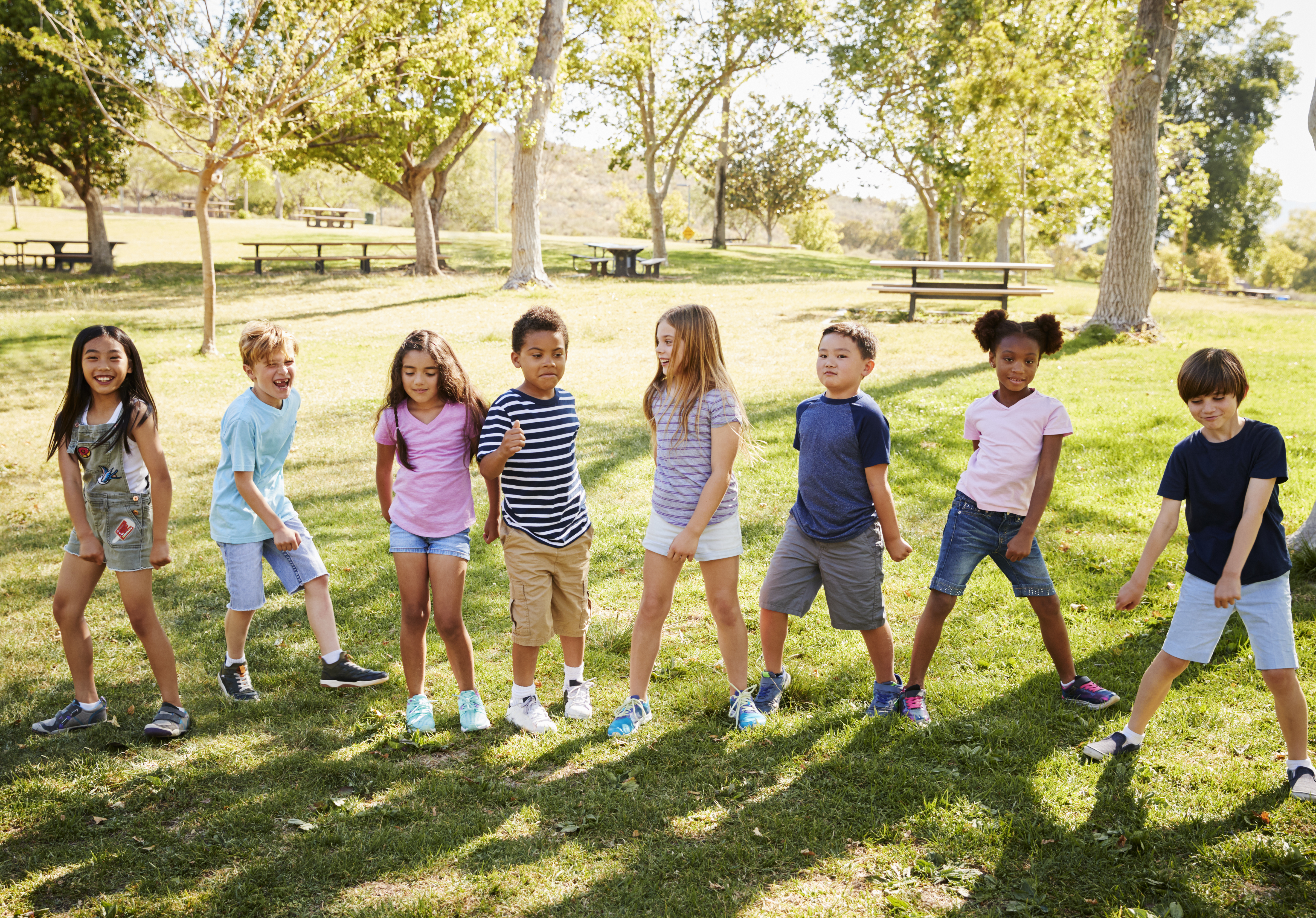
Photo by AI. The summer break offers a perfect window to build skills and confidence before school begins. With thoughtful planning, you can make this time both fun and productive.
Adjusting Routines Gradually
Children thrive on predictable routines. The shift from relaxed holiday schedules to strict school timetables can shock their systems if done suddenly.
Start by moving bedtimes 10 minutes earlier each week during December. A well-rested child learns better, manages emotions more effectively, and enjoys school more. Aim for 10-11 hours of sleep for Prep-aged children.
Morning routines need practice, too. Create a visual chart showing the steps: wake up, toilet, get dressed, eat breakfast, brush teeth, pack bag. Practice following this sequence at a relaxed pace first, then gradually speed up to match school morning timing.
Meal times matter as well. Align breakfast and lunch times with the school schedule. This helps your child’s body adjust to eating at set times rather than grazing throughout the day.
Weekend practice runs build confidence. Wake up at “school time,” get dressed in the uniform, pack the lunch box, and drive to school. Walk around the grounds, play on the equipment, and talk positively about what happens in each area.
Building Independence and Self-Care Skills
Self-care skills directly impact your child’s confidence at school. Teachers appreciate children who can manage basic needs independently, especially in busy Prep classrooms.
Toilet independence tops the list. Make sure your child can manage the entire process alone: using the toilet, wiping properly, flushing, and washing hands. Practice using different bathrooms to build flexibility with unfamiliar facilities.
Dressing skills need daily practice. School uniforms often have buttons, zippers, and other fasteners that little fingers find challenging. Let your child practice changing into and out of their uniform, including shoes and socks.
Food management causes stress for many new students. Use the actual lunch box and containers your child will take to school. Practice opening and closing everything, unwrapping food items, and eating within a reasonable time frame.
Personal organisation builds responsibility. Create a spot at home for school belongings. Practice packing and unpacking the school bag, keeping track of a hat, and carrying items to and from different rooms.
For more practical preparation tips, visit Education Fair Australia.
Supporting Your Child Emotionally
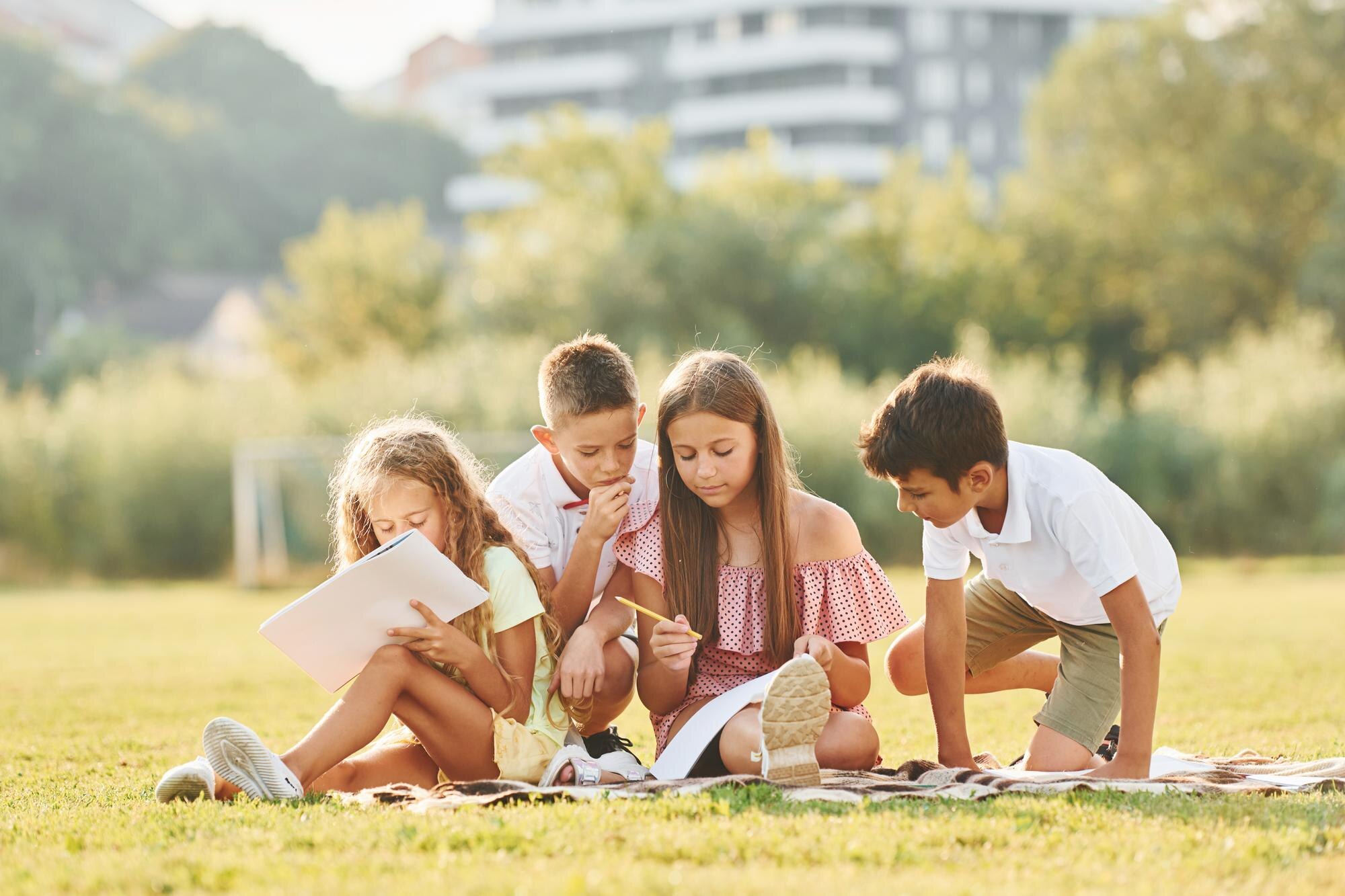
Photo by AI. The emotional aspect of starting school often gets overlooked, yet it’s crucial for a smooth transition. Your child needs emotional tools to navigate this big change.
Balancing Structure and Freedom
The last weeks of summer require a delicate balance between preparation and relaxation. Too much focus on school readiness creates pressure, while too little structure makes the transition harder.
Create a simple summer schedule that includes both structured and free time. Morning might include some school-skill practice, midday offers free play, and afternoons mix outings with quiet activities. This balanced approach prevents overwhelm while building readiness.
Playtime remains essential even during preparation. Through play, children process feelings about school, practice social skills, and build problem-solving abilities. Allow plenty of unstructured play time where your child leads the activity.
Reading together builds both emotional connection and school skills. Choose books about starting school that address common worries and show positive outcomes. Talk about the characters’ feelings and how they solved problems.
Family time creates emotional security. Plan special outings or activities that strengthen your connection before the busy school routine begins. These positive experiences fill your child’s emotional tank before the big transition.
Addressing Common Anxieties
Starting school triggers natural worries in most children. Recognising and addressing these fears helps your child feel supported and prepared.
Separation anxiety tops the list of common concerns. Practice brief separations during the summer. Start with short periods and gradually increase the time. Always return when promised to build trust and security.
Social worries about making friends affect many children. Role-play meeting new people and joining games. Teach simple phrases like “Can I play too?” or “My name is…” that help with social connections.
Classroom unknowns cause stress. “What if I need help?” “What if I can’t find the bathroom?” Answer these questions clearly and practice asking for help in different situations. Remind your child that teachers are there to help with these exact concerns.
Listen more than you talk when worries arise. Ask open questions: “What are you thinking about school?” or “What would make you feel better about your first day?” Take their concerns seriously without amplifying them.
Create a comfort strategy for tough moments. This might be a special goodbye ritual, a small photo in their bag, or a secret hand squeeze that means “I love you.” These small supports make big differences in building confidence.
Remember, your attitude shapes your child’s expectations. Show confidence in their ability to handle this transition, even when expressing normal parental concerns. Your belief in them builds their belief in themselves.
By focusing on these preparation strategies throughout the summer, you’ll help your child build the skills, confidence, and emotional readiness needed for a successful start to their school journey.
Recent Comments