
Spring Adventures: Connecting Children to Nature with Themed Learning Activities
Spring is the perfect time to get kids outside, curious about the world around them. With themed learning activities designed for every season, you can guide children to notice the changing weather, blooming flowers, and busy wildlife. This kind of seasonal learning builds a strong nature connection while sparking their sense of wonder and independence. Let’s explore how spring adventures can bring early childhood education alive through hands-on experiences grounded in the Wildhood philosophy.
🌿 Embracing Wildhood This Spring
At Kenmore Hills Early Learning, we believe in Wildhood – a philosophy that connects children to the natural world through meaningful, hands-on experiences. As we transition from spring into the warmer months of early summer, November offers the perfect opportunity to explore seasonal changes, celebrate nature’s abundance, and engage in rich learning experiences that nurture curiosity, independence, and environmental stewardship.
Understanding Spring in Australia
In Australia, spring runs from September to November, making November the final month of this beautiful season as we prepare to welcome summer in December. This transitional period is magical for young learners – the weather is warming up, native wildflowers are still blooming in many regions, and Australian wildlife is incredibly active.
Here in Queensland, November brings:
-
Warm, sunny days with temperatures ranging from 20-28°C, perfect for outdoor exploration
-
Increased rainfall as we approach the wet season, providing opportunities to learn about weather patterns and water cycles
-
Active wildlife – birds are nesting, butterflies are abundant, and native bees are busy pollinating
-
Late-blooming flowers and thriving vegetable gardens are ready for harvesting
🌻 Why Seasonal Learning Matters
Seasonal learning activities help children understand the natural rhythms of their environment. By observing and discussing the changes happening around them – from the weather and temperature to plant growth and animal behaviour – children develop important scientific observation skills, mathematical concepts like patterns and sequences, and a deeper connection to their local ecosystem.
According to research, spending time in nature supports children’s cognitive development, reduces stress, improves focus, and encourages physical activity – all essential components of healthy early childhood development.
November’s Special Celebration Days
November offers several meaningful opportunities to incorporate cultural awareness and community values into your child’s learning:
🌺 Movember (Throughout November)
A month dedicated to raising awareness about men’s health, including mental health. This is an age-appropriate opportunity to talk about health, well-being, and caring for others.
🌏 Melbourne Cup Day (4th November)
Australia’s famous horse race! Even if you’re not watching the race, it’s a great opportunity to learn about horses, Australian traditions, and discuss themes of fashion and celebration.
🕊️ Remembrance Day (11th November)
A significant day of reflection is observed at 11 am on the 11th day of the 11th month. This is an opportunity to introduce concepts of remembrance, peace, and gratitude in gentle, age-appropriate ways. Simple activities like making red poppies or observing a minute of silence can help children understand the importance of this solemn occasion.
💚 World Kindness Day (13th November)
A perfect day to focus on empathy, compassion, and kindness – values we champion at Kenmore Hills Early Learning every single day!
♻️ National Recycling Week (10-16th November)
An excellent opportunity to teach children about sustainability, waste reduction, and caring for our planet – core values of our Wildhood philosophy.
Nature-Based Learning Activities for November
Here are our favourite themed learning activities that align with the season and celebrate our Wildhood approach:
🦋Butterfly and Insect Observation
Spring is peak season for butterflies, bees, and other pollinators! Set up a butterfly observation station in your garden or local park. Provide children with magnifying glasses, clipboards, and drawing materials to sketch the insects they observe.
Learning Outcomes:
-
Scientific observation and inquiry skills
-
Understanding of life cycles and metamorphosis
-
Fine motor skills through drawing and writing
-
Vocabulary development (chrysalis, antennae, pollination)
🌻Wildflower Scavenger Hunt
Create a simple pictorial scavenger hunt checklist featuring native Australian wildflowers, leaves of different shapes, seeds, and other natural treasures. Take children on a nature walk to find and identify these items.
Learning Outcomes:
-
Colour and shape recognition
-
Gross motor skills through walking and bending
-
Indigenous plant knowledge
-
Matching and sorting skills
🌧️Weather Watching and Rain Gauges
As November can bring spring storms, create a simple weather station. Make rain gauges from recycled plastic bottles, observe cloud formations, and keep a daily weather diary with pictures and symbols.
Learning Outcomes:
-
Understanding weather patterns and seasonal changes
-
Early measurement and data collection skills
-
Recording and comparing information
-
Environmental awareness
🍅Spring Harvest and Planting
November is perfect for harvesting spring vegetables and planting summer crops. Let children help harvest tomatoes, herbs, or lettuce from your garden, then plant seeds for summer vegetables like beans or cucumbers.
Learning Outcomes:
-
Understanding plant life cycles and growth
-
Farm-to-table food awareness
-
Responsibility and nurturing skills
-
Patience and delayed gratification
🌸Poppy Craft for Remembrance Day
Create beautiful red poppies using natural materials (red flower petals) or craft supplies (tissue paper, paint). Talk about remembrance in simple, age-appropriate terms – focusing on themes of peace, remembering people we love, and being thankful.
Learning Outcomes:
-
Cultural awareness and understanding of Australian traditions
-
Fine motor skills and creativity
-
Social and emotional development
-
Respect and empathy
🪺Bird Nest Building
November is nesting season for many Australian birds. Collect natural materials like twigs, grass, and leaves, and challenge children to build their own bird nests. Observe real nests from a respectful distance.
Learning Outcomes:
-
Understanding animal habitats and behaviours
-
Problem-solving and engineering skills
-
Hand-eye coordination
-
Respect for wildlife
🎨Nature Mandalas and Land Art
Use natural materials collected during outdoor play – flowers, leaves, stones, bark – to create beautiful mandala patterns or other land art. This activity combines creativity with nature appreciation.
Learning Outcomes:
-
Artistic expression and creativity
-
Pattern recognition and symmetry
-
Spatial awareness
-
Mindfulness and focus
♻️Recycling and Sustainability Projects
For National Recycling Week, set up sorting bins and teach children about recycling, composting, and reducing waste. Create instruments or toys from recycled materials, or start a worm farm together.
Learning Outcomes:
-
Environmental responsibility and stewardship
-
Sorting and categorisation skills
-
Understanding cause and effect
-
Creative problem-solving
💧Water Play and Sensory Exploration
As temperatures rise, incorporate water play activities. Create water walls with recycled bottles and gutters, float and sink experiments, or mud kitchens for sensory-rich learning experiences.
Learning Outcomes:
-
Scientific concepts (volume, buoyancy, flow)
-
Sensory development and tactile exploration
-
Cooperative play and social skills
-
Cause-and-effect understanding
📔Nature Journals and Spring Stories
Encourage children to keep a nature journal throughout November. They can draw pictures, press flowers, stick in leaves, and record their observations about the changing season.
Learning Outcomes:
-
Early literacy and mark-making skills
-
Sequential thinking and storytelling
-
Reflection and memory recall
-
Personal expression and communication
Preparing for Summer
As November draws to a close, it’s time to start thinking about the transition to summer (which begins 1st December in Australia). Here are some ways to prepare children for the upcoming season:
🌞 Sun Safety Education: November is the perfect time to establish sun-safe habits before the intense summer heat arrives. Teach children about wearing hats, applying sunscreen, seeking shade, and staying hydrated. Make it fun by creating sun safety songs or role-playing scenarios!
-
Talk about seasonal changes: Discuss how the days will become longer and hotter, what clothes we’ll wear, and which activities are best for summer
-
Summer garden planning: Start planning what to grow in summer – watermelons, cucumbers, sunflowers – and involve children in the preparation
-
Water safety awareness: With swimming season approaching, begin conversations about water safety, swimming pool rules, and beach safety
-
Christmas preparation: November is when many families start thinking about Christmas celebrations, providing opportunities for cultural learning, giving, and community
“When children are connected to nature, they develop a sense of wonder, responsibility, and respect for the world around them. Seasonal learning activities help children understand their place in the natural world and foster environmental stewardship from an early age.” – Early Childhood Australia
Incorporating the Early Years Learning Framework
All these seasonal learning activities align beautifully with the Early Years Learning Framework (EYLF) and support children’s development across multiple learning outcomes:
-
Outcome 1: Children have a strong sense of identity (through nature connection and cultural celebrations)
-
Outcome 2: Children are connected with and contribute to their world (through environmental awareness and sustainability)
-
Outcome 3: Children have a strong sense of wellbeing (through outdoor physical activity and health education)
-
Outcome 4: Children are confident and involved learners (through hands-on exploration and inquiry)
-
Outcome 5: Children are effective communicators (through nature journaling, storytelling, and collaborative play)
🌿 The Kenmore Hills Difference
At Kenmore Hills Early Learning, our Wildhood philosophy means that seasonal learning isn’t just an add-on to our program – it’s woven into everything we do. Our dedicated outdoor spaces, vegetable gardens, and nature play areas provide children with daily opportunities to connect with the changing seasons.
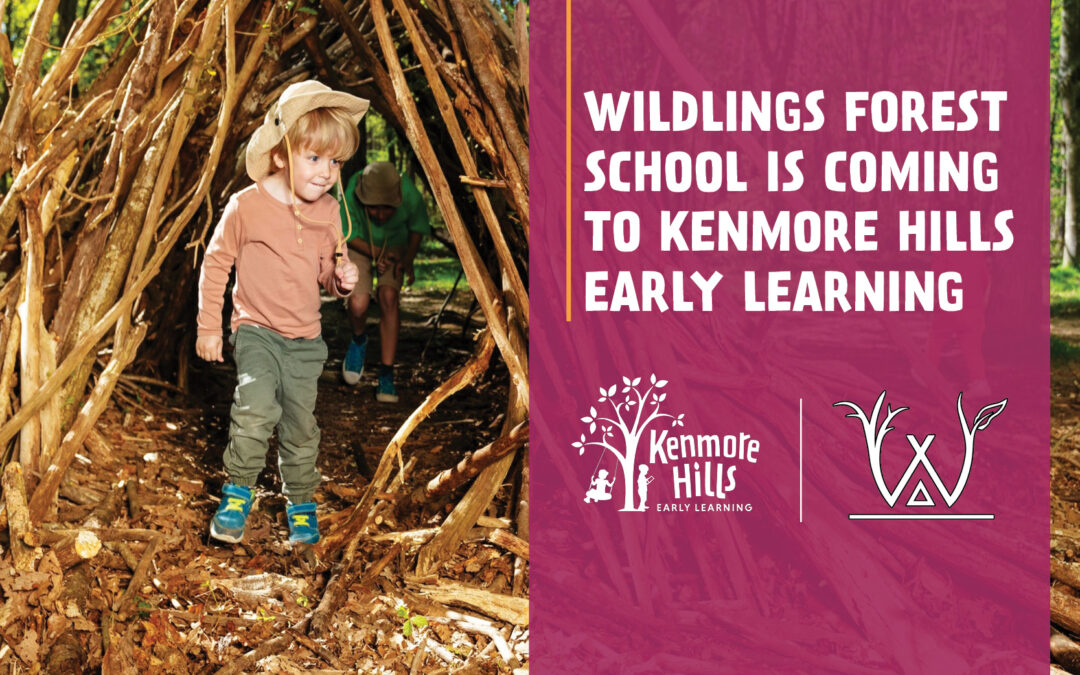
Our new Wildlings Forest School program (running every Monday) takes this even further, giving children immersive weekly experiences in natural environments where they can develop resilience, confidence, and a deep appreciation for the Australian bush.
Tips for Families
Here are some simple ways you can extend seasonal learning at home:
-
Create a seasonal table: Display natural objects that represent the current season – flowers, seed pods, leaves, stones
-
Take regular nature walks: Visit the same park or nature trail each week and observe how it changes throughout November
-
Read seasonal books: Look for children’s books about Australian seasons, spring animals, and native plants
-
Document the journey: Take photos throughout November to create a visual record of seasonal changes
-
Celebrate special days: Acknowledge Remembrance Day, World Kindness Day, and Recycling Week with simple family activities
-
Garden together: Even a few pots on a balcony can teach children about plant growth and seasonal cycles
References & Further Reading
-
Tourism Australia – Things to Do in Australia’s Spring
https://www.australia.com/en/facts-and-planning/when-to-go/australias-seasons/spring.html -
Teach Starter – Seasons Teaching Resources
https://www.teachstarter.com/au/learning-area/seasons/
Recent Comments